If you’re new here, this article is part of an informational article series on Book Series Design. If you missed our introductory article, click here for a recap.
If you’re curious about the work it takes for publishers to plan and release special editions, keep reading!
If you want to see one giant list of amazing special editions and publisher releases, click here.
1. What Is a Publisher’s Collection?
A Special Edition Boxed Set….The 10th Anniversary Edition….A Clothbound Re-Release.
There are many different terms for a Publisher’s Collection, and a number of different reasons a publisher might decide to release or reissue a set of books in the first place. For the purposes of this article, we’re clumping these terms together as “The Publisher’s Collection.”
Definition: A group of books given a shared visual identity because a publisher has chosen to package them together.
Unlike a Narrative Series, the books don’t need to share a storyline. Unlike an Author Look, they don’t even need to share an author! The connection comes from the publisher or editorial team.
Maybe a publisher is reissuing ten classics as a special edition. Maybe they’re creating a collection around a particular genre, theme, anniversary, or editorial idea. Maybe the books have almost nothing in common except that the publisher has decided: These belong together.
Why Publisher Releases Stand Out: Publisher Collections are made to be noticed together. One beautiful book is nice. Ten beautifully coordinated books lined up on a shelf? That’s hard to resist.
This is where book design starts to overlap with collecting, gifting, and object-making. The physical book itself becomes part of the appeal.
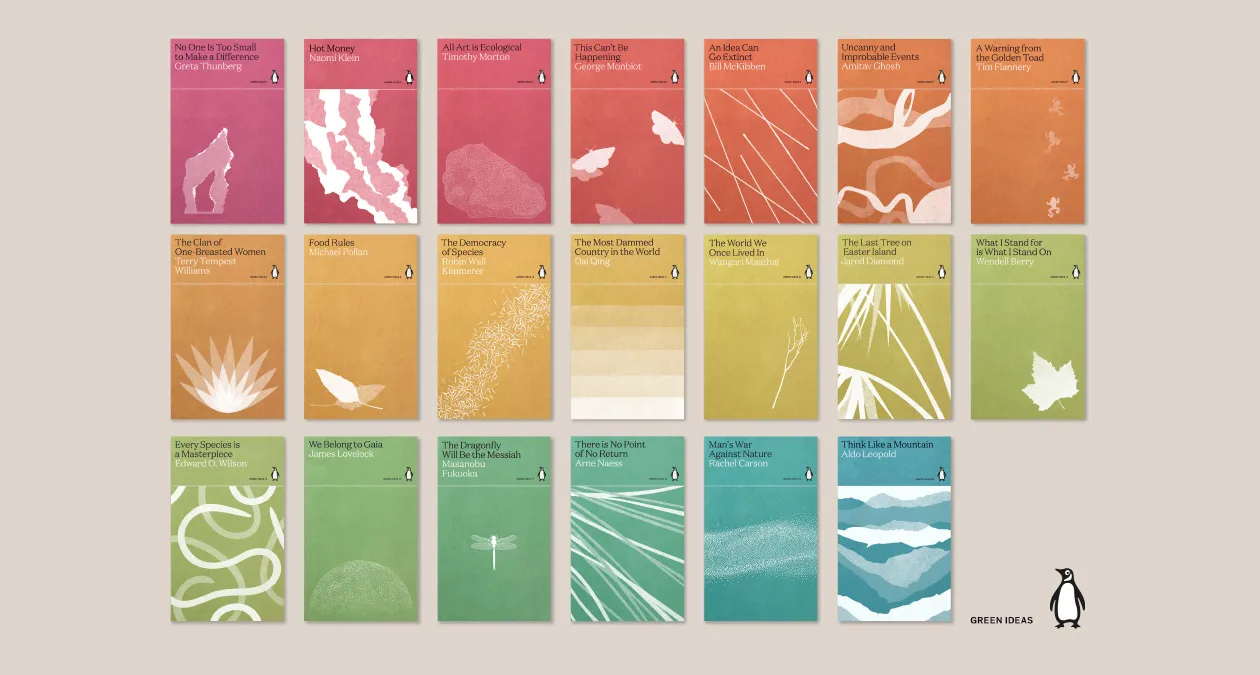
A strong collection can also turn familiar books into something new and collectible. The consistent design also gives the publisher itself a recognizable presence. Over time, readers may begin to recognize the collection before they even notice the individual title. That orange band covering up half a paperback cover? That’s a Penguin book. Even the least experienced reader has made the everlasting connection between the color orange and the Penguin brand.
For The Book Cover Designer: For designers, Publisher Collections are an opportunity to think bigger than a single cover.
You’re creating a system.
What stays the same? What changes? How will ten wildly different books sit beside one another? How much freedom can each title have before the collection starts to fall apart?
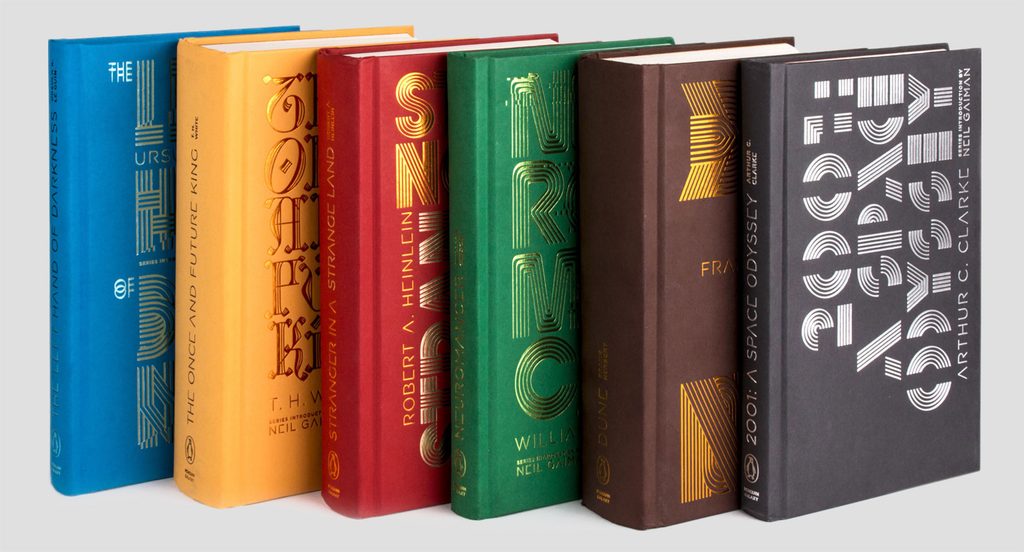
And because many publisher-led collections are produced as elevated or special editions, designers may also get to think beyond the jacket: cloth, foil, bindings, spines, endpapers, paper, slipcases, illustration, and other production details can all become part of the visual language.
That’s design heaven.
2. Examples of Notable Publisher’s Collections
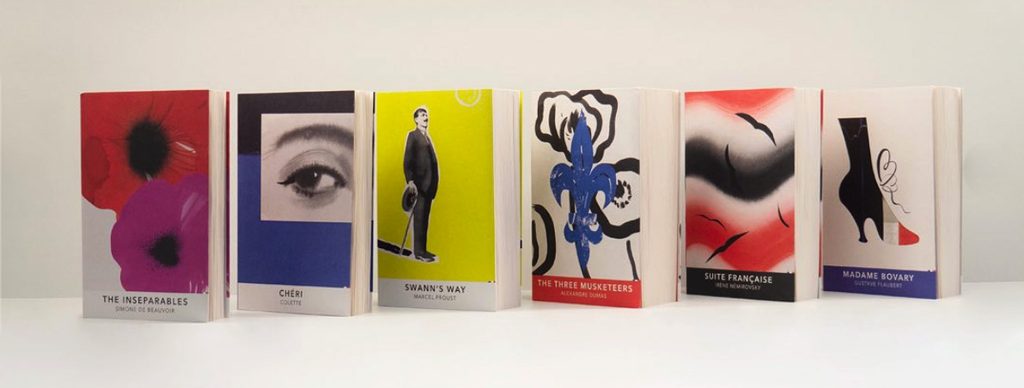
There are countless great collections out there, but a few publishers have become especially well known for this type of bookmaking…
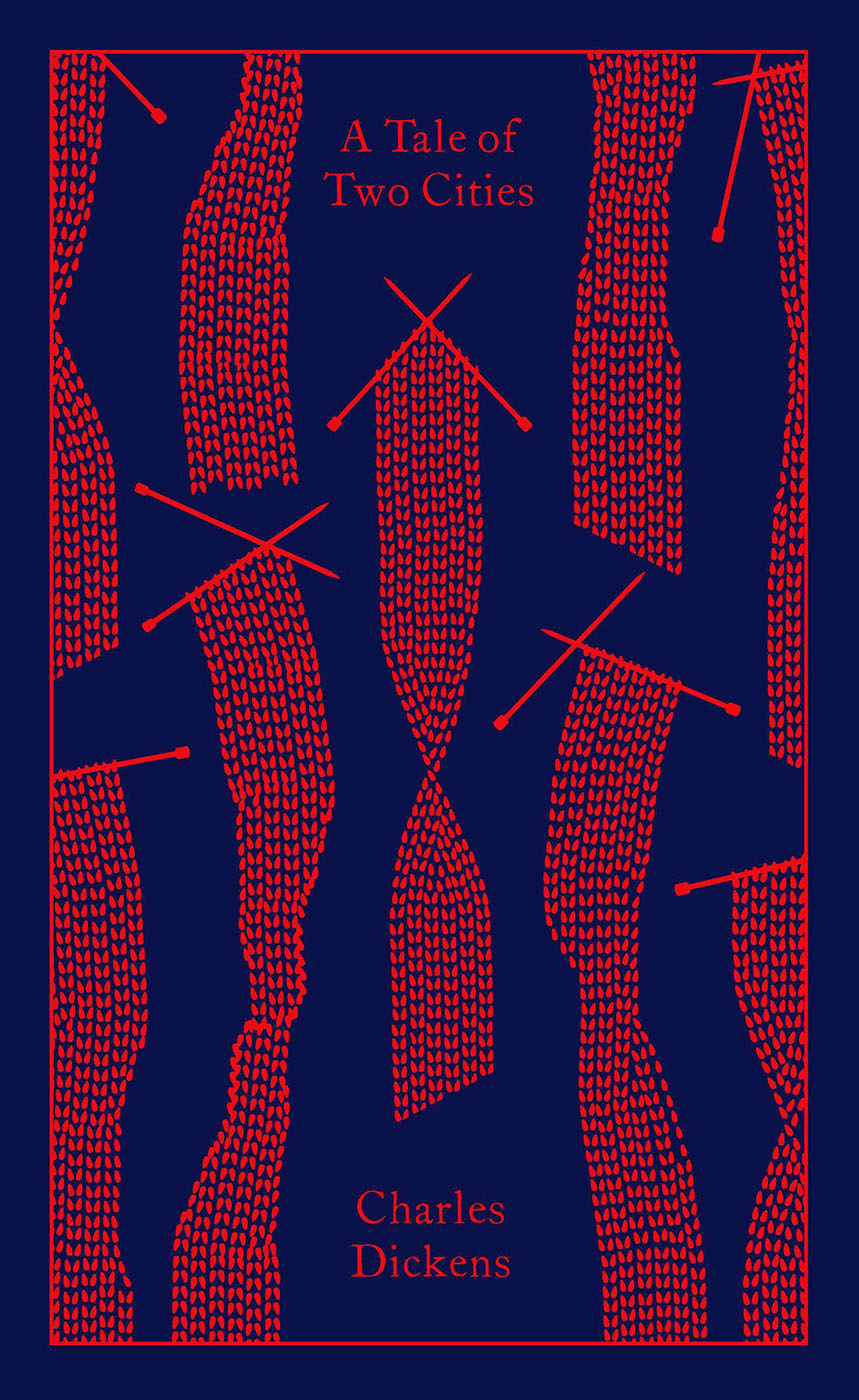
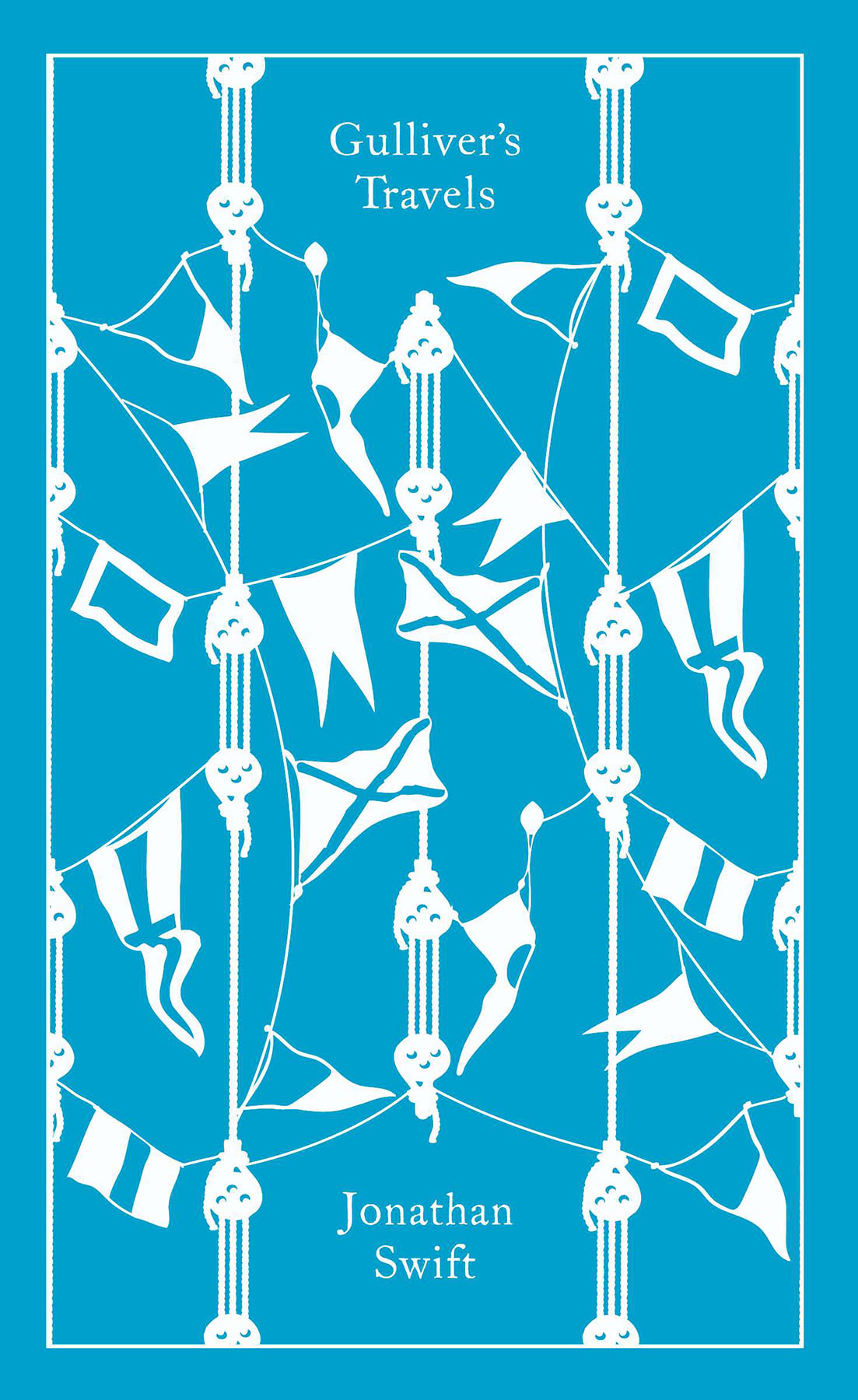
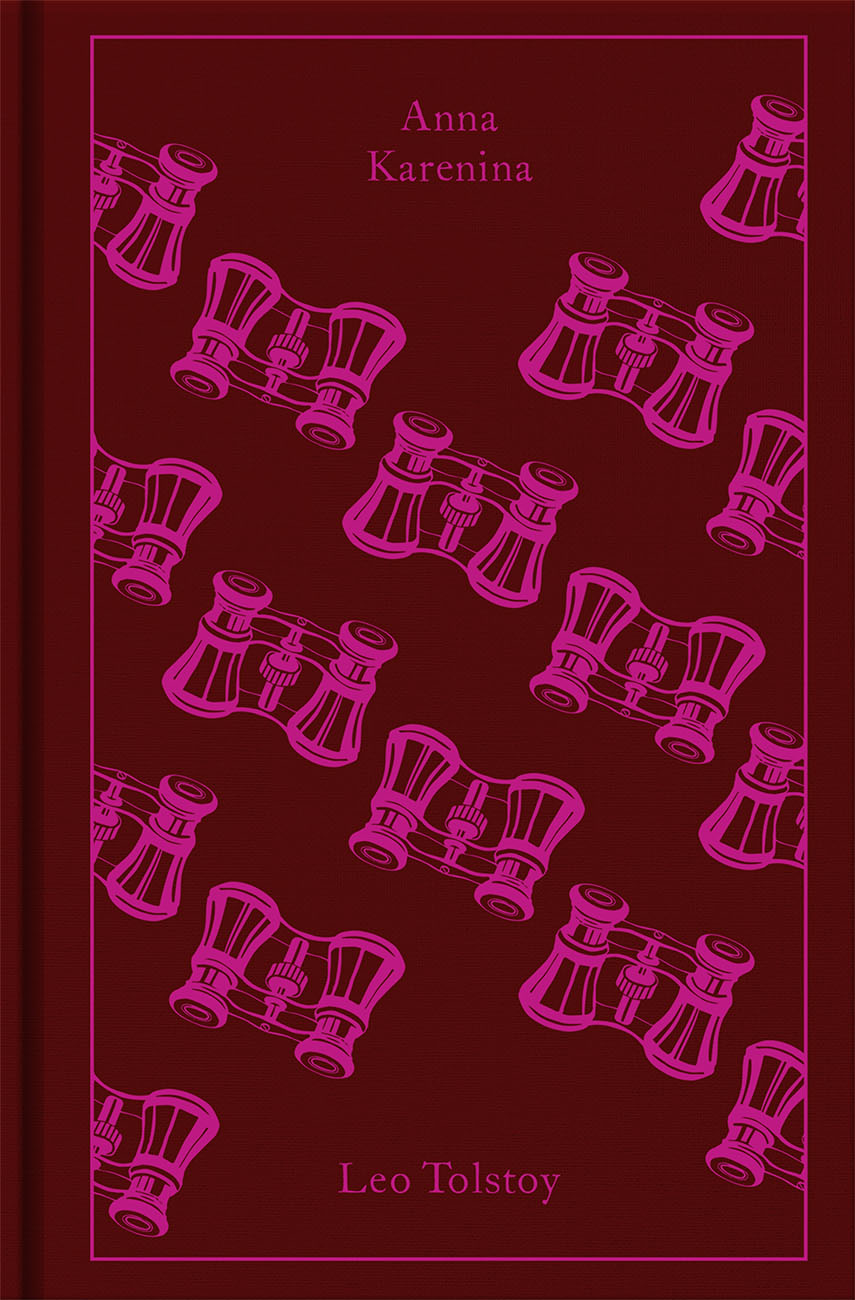
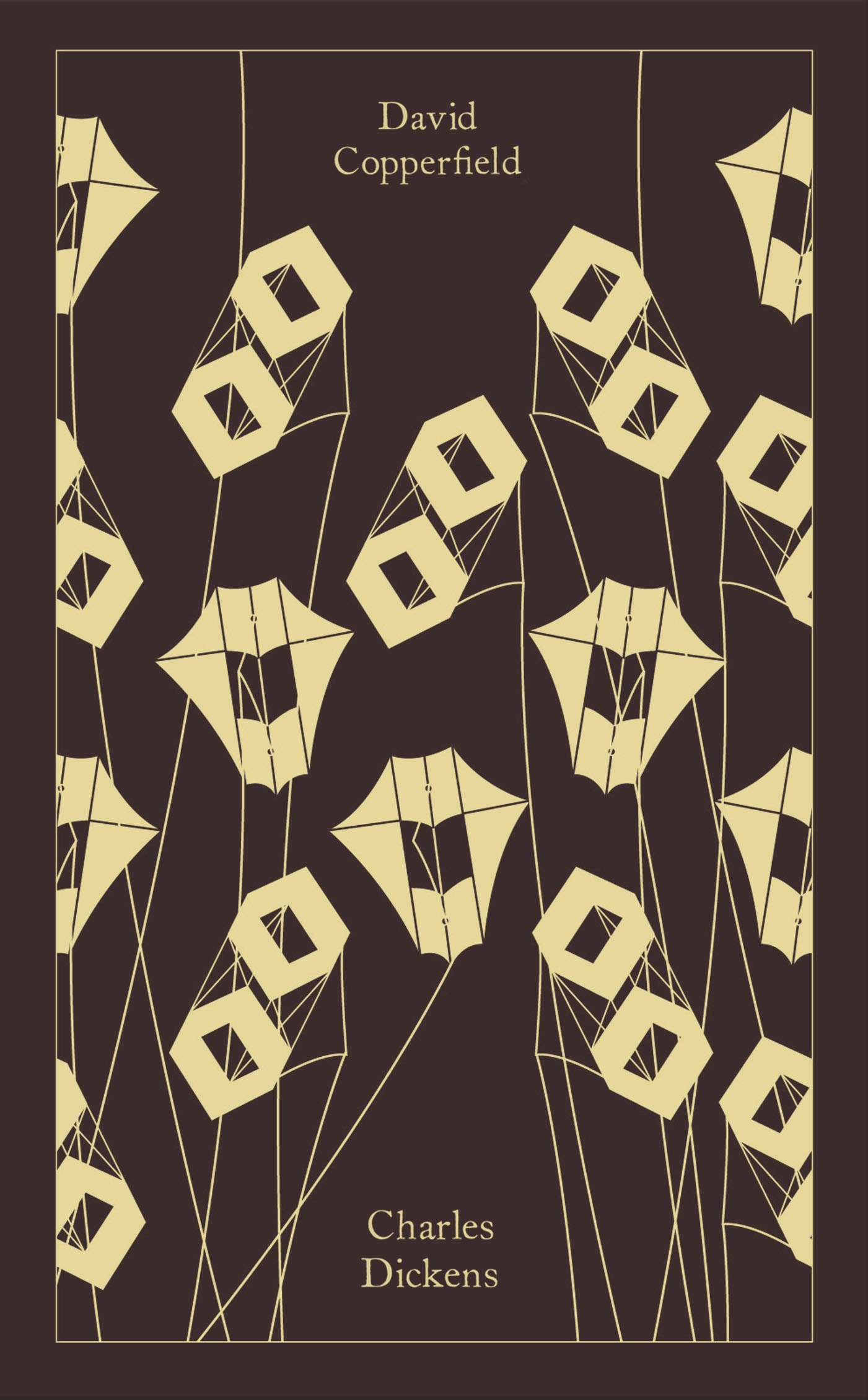
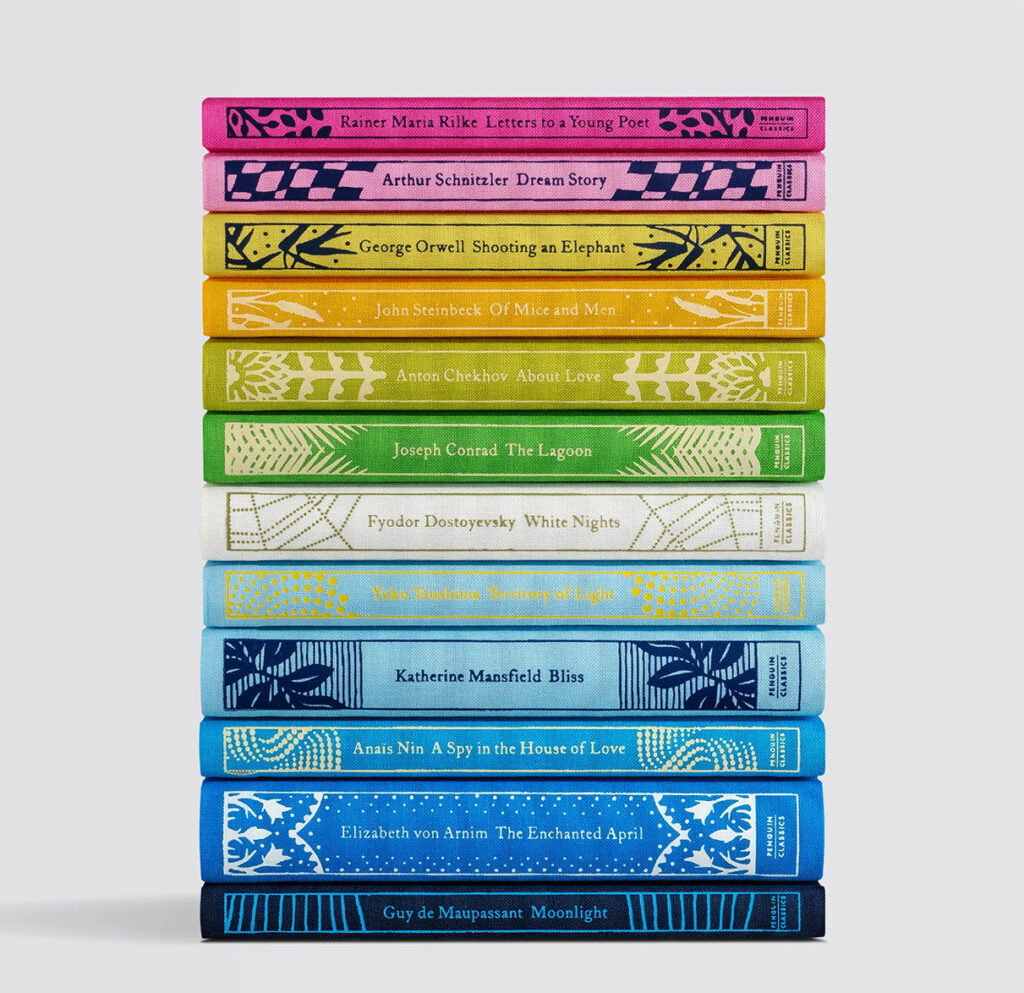
Penguin Clothbound
From Penguin: “With splendid packaging created by award-winning designer Coralie Bickford-Smith, Penguin Classics presents beautiful hardcover editions of beloved classic literature. Featuring custom patterns inspired by each work stamped on linen cases, colored endpapers, and ribbon markers, these gift-worthy editions of more than sixty titles including Great Expectations, Far from the Madding Crowd, and Wuthering Heights are one of the most coveted series of classic literature ever produced.”
If you’re interested to see more of the Penguin Clothbound collection, visit Coralie’s portfolio site here! You’ll also enjoy watching this video interview about her process.
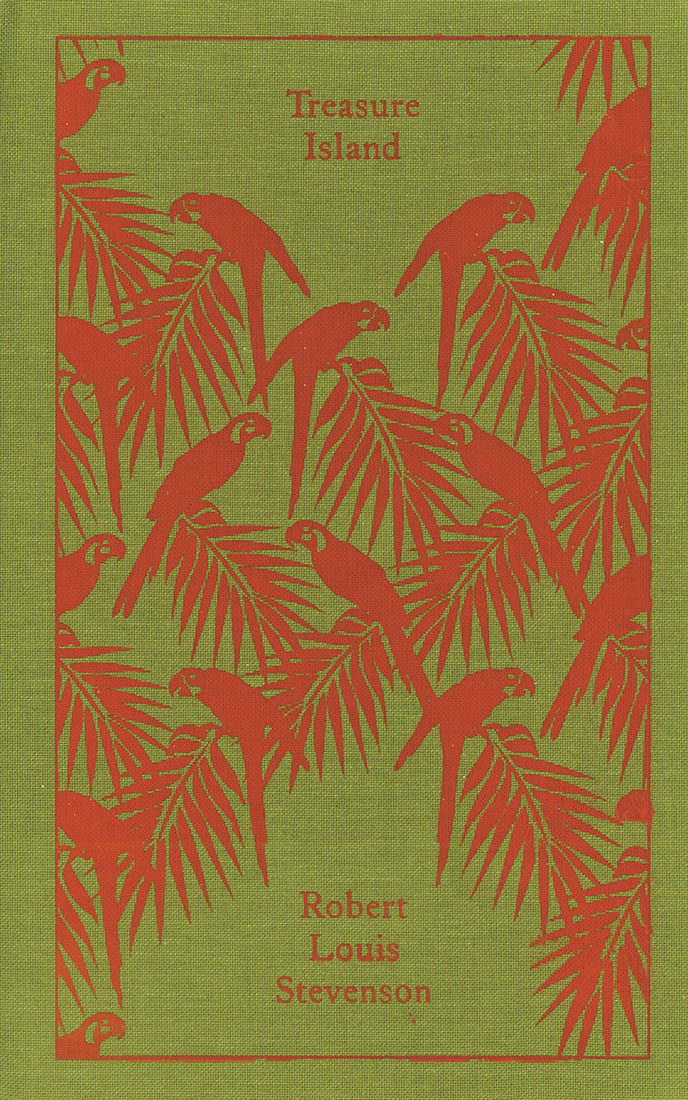
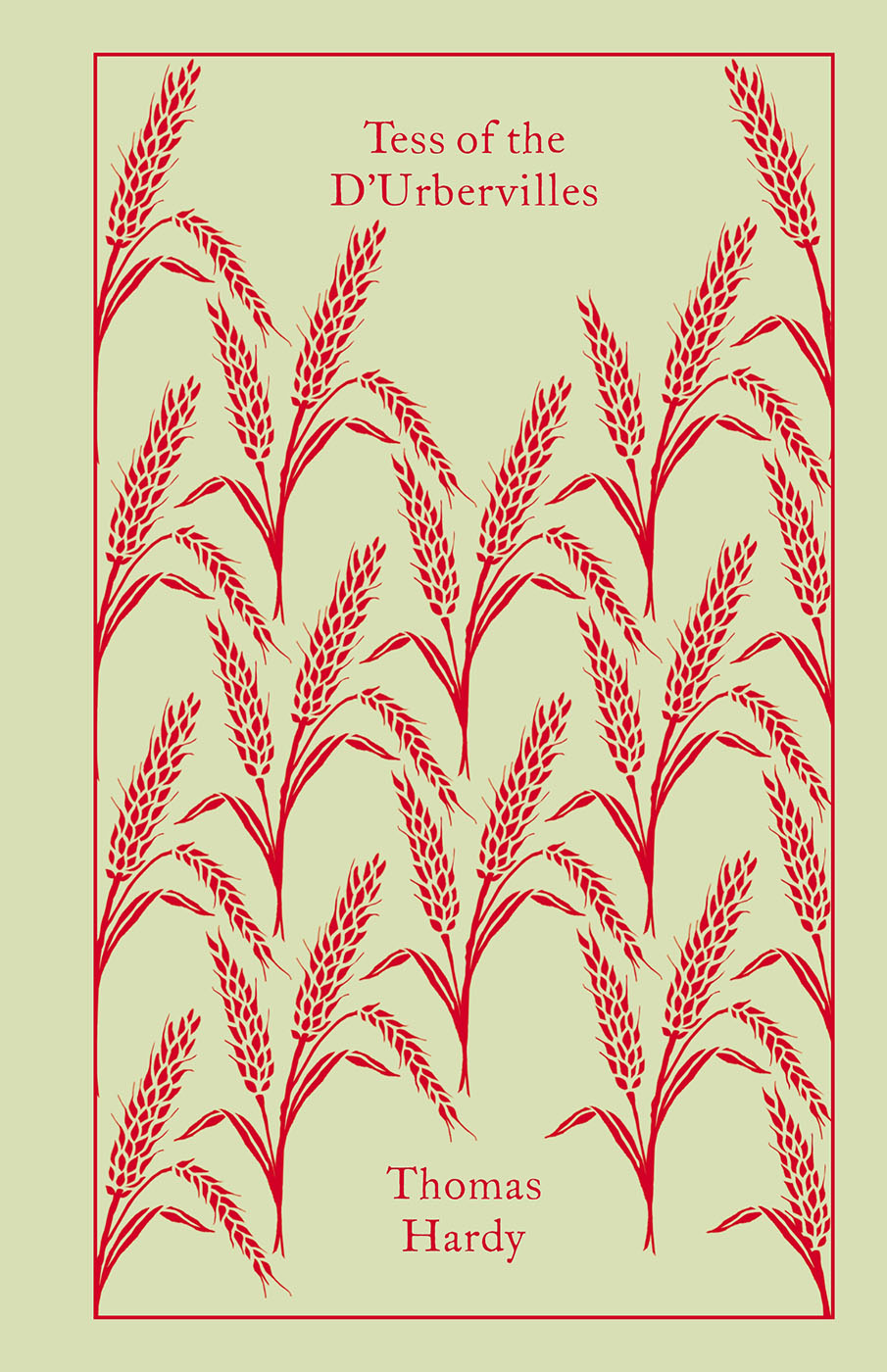
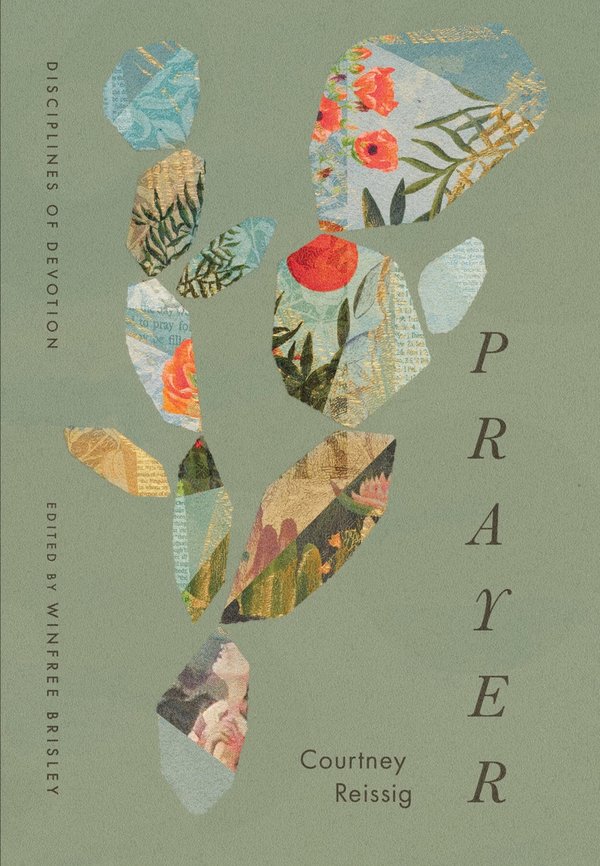
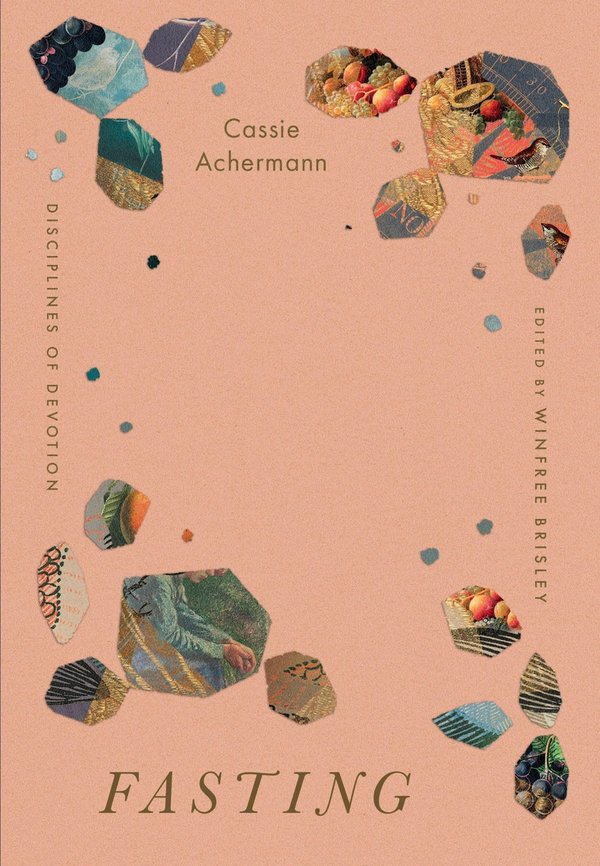
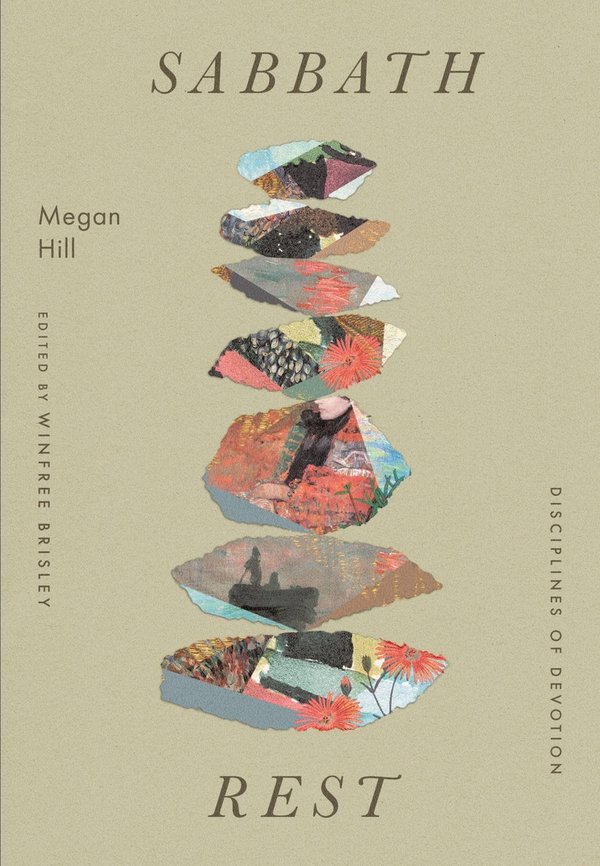
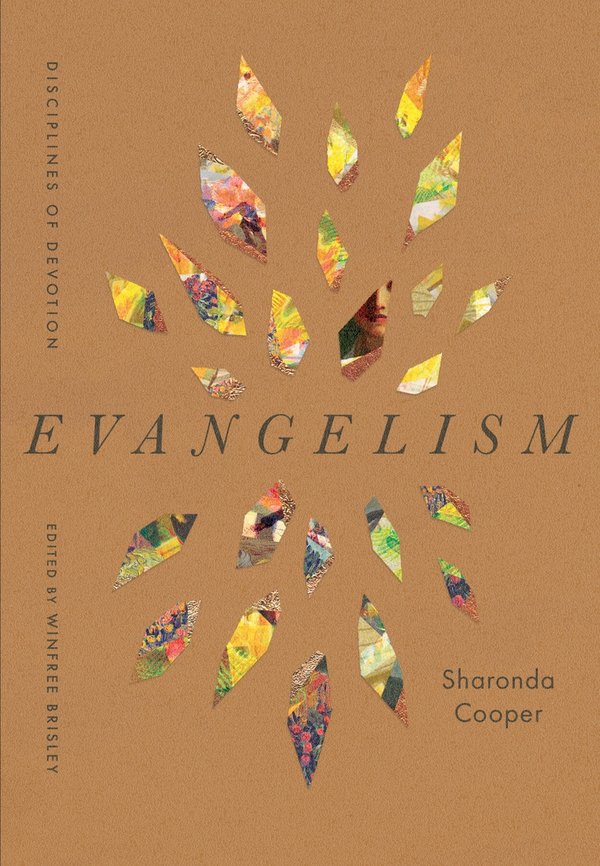
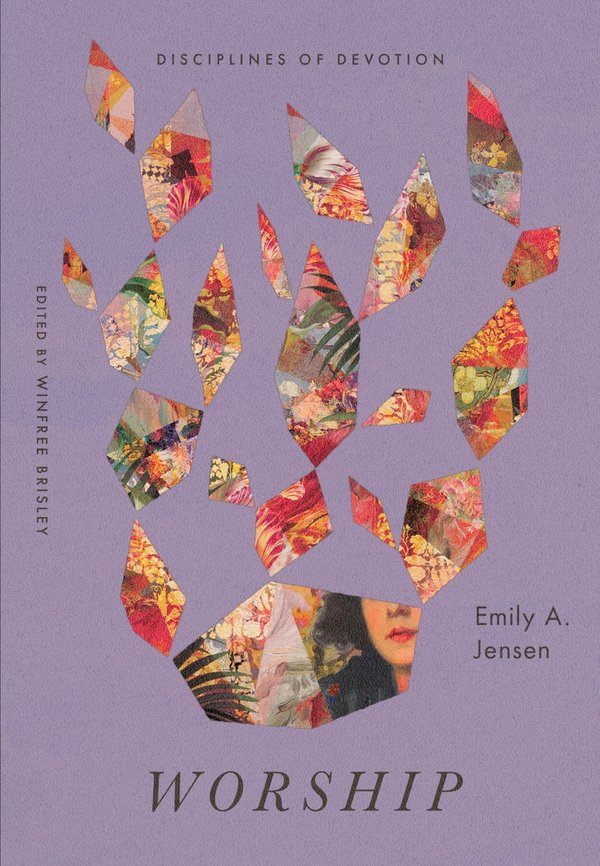
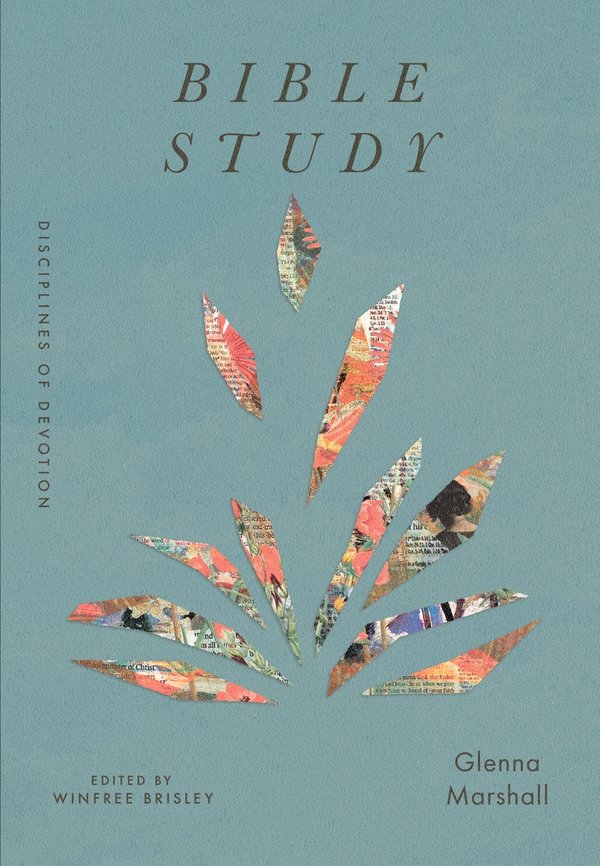
Disciplines of Devotion series; published by The Gospel Coalition
From the publisher: “TGC’s Disciplines of Devotion series (6 books) helps women dwell with the Lord, even in our culture of constant distractions, by embracing biblical practices. Each short booklet highlights the biblical examples, benefits, and how-tos of one spiritual discipline, helping readers cultivate the practice in their own lives. Edited by Winfree Brisley, Disciplines of Devotion helps busy women find rest in Jesus.” Published throughout 2026. Designed by David Fassett. For more information, click here!
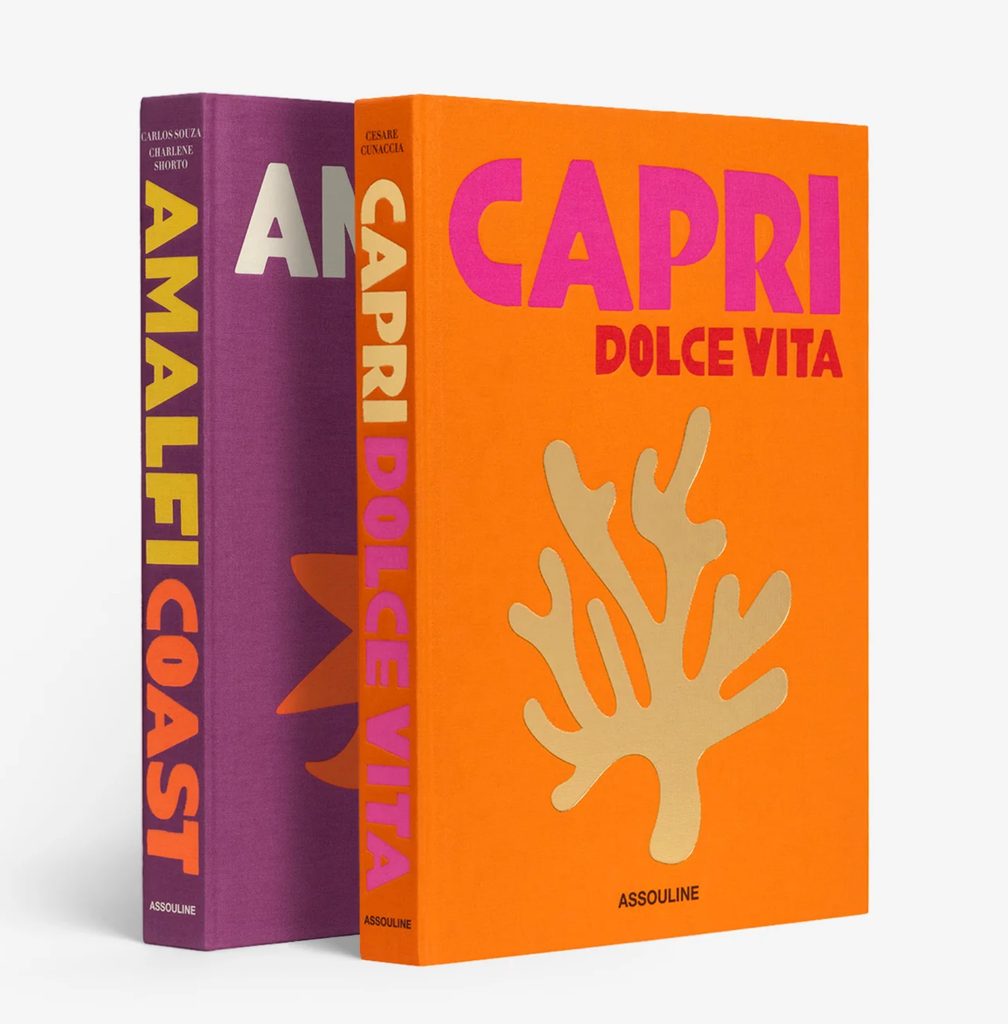
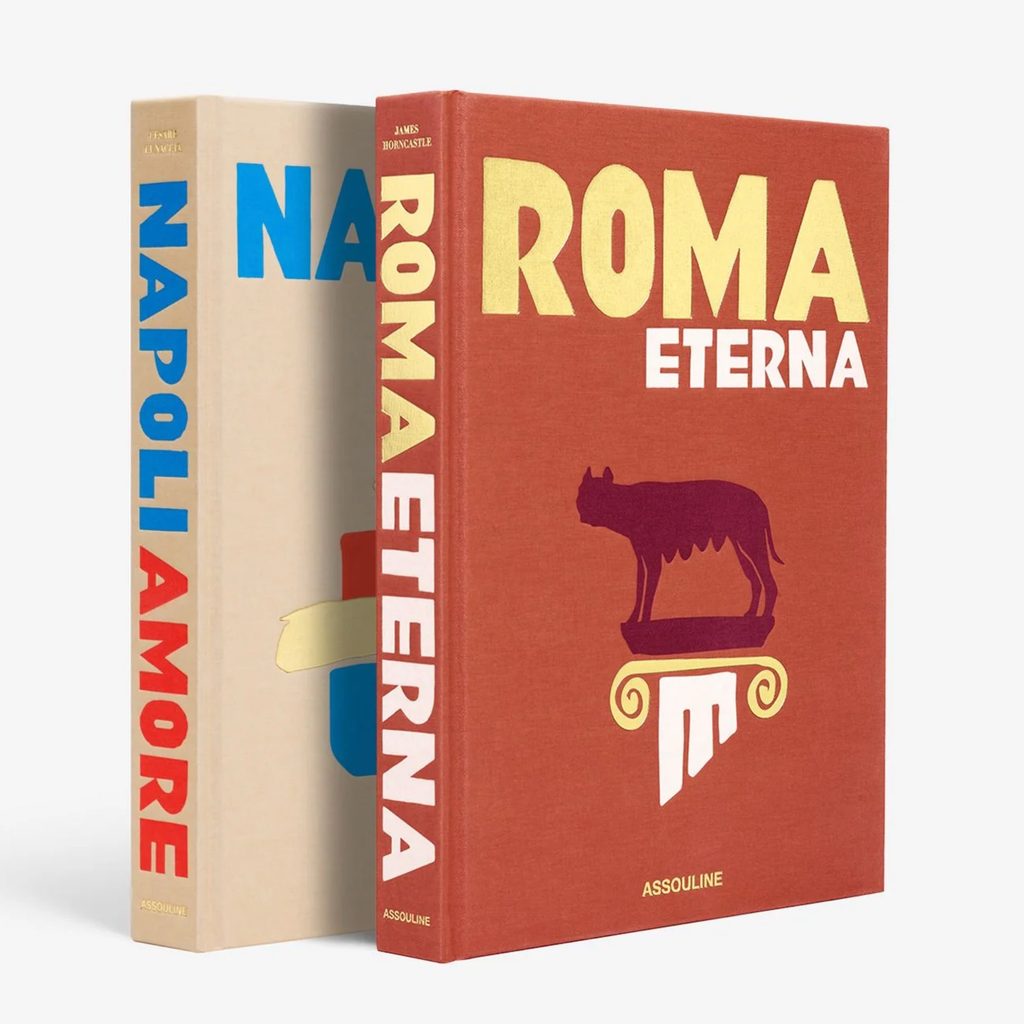
Assouline’s Travel Series
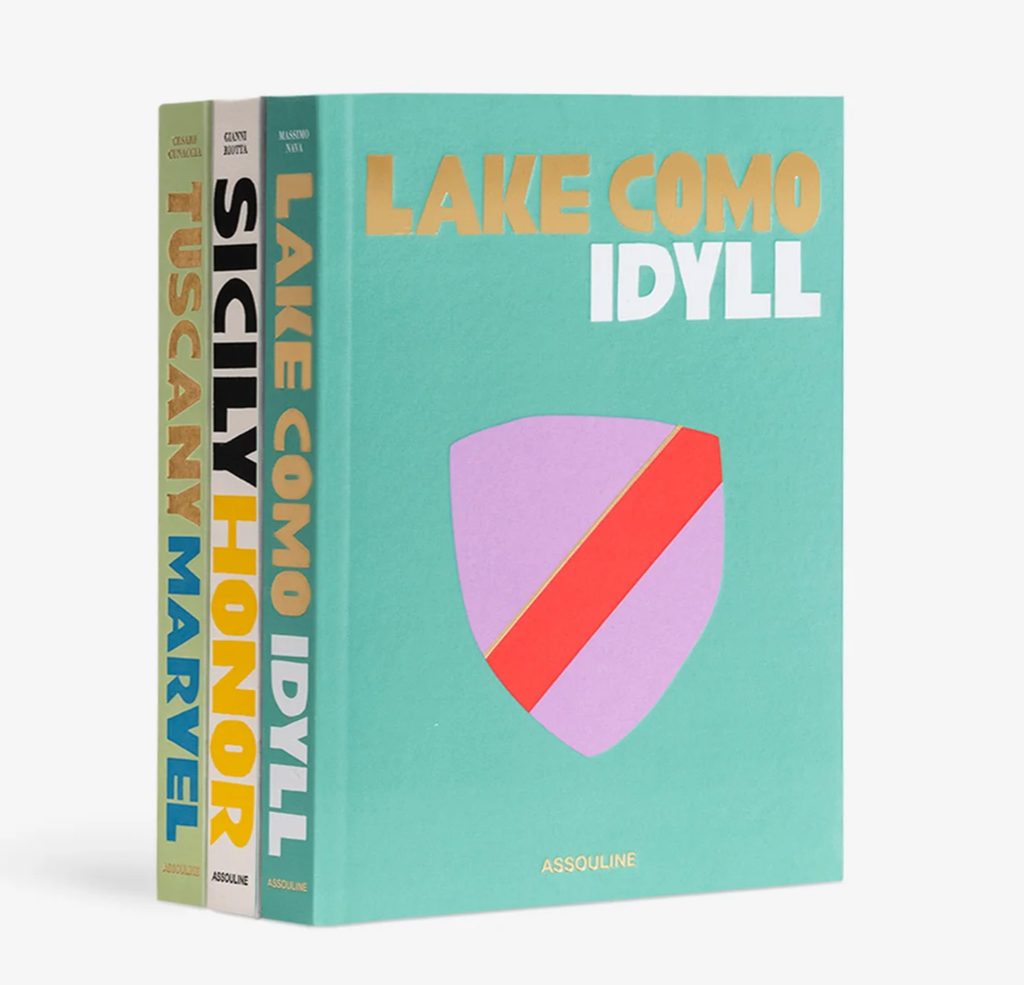
Founded in Paris in 1994, Assouline has built its identity around highly designed luxury books on travel, fashion, art, architecture, food, and culture. Its titles are organized into recognizable collections such as Classics, Travel, Legends, and Ultimate, each with its own consistent format, scale, materials, and production style.
Many editions use oversized formats, slipcases, art-quality paper, hand-binding, and other elevated production details that make the books feel as much like collectible objects as publications.
Assouline books are also commonly sold as luxury gifts and décor, showing up in high-end department stores, gift shops, and home goods stores. They’re designed to live out in the open as coffee-table books and decorative objects, not simply disappear onto a bookshelf.
Below are examples from their popular Travel Series.

Indigo’s 25th Anniversary Series
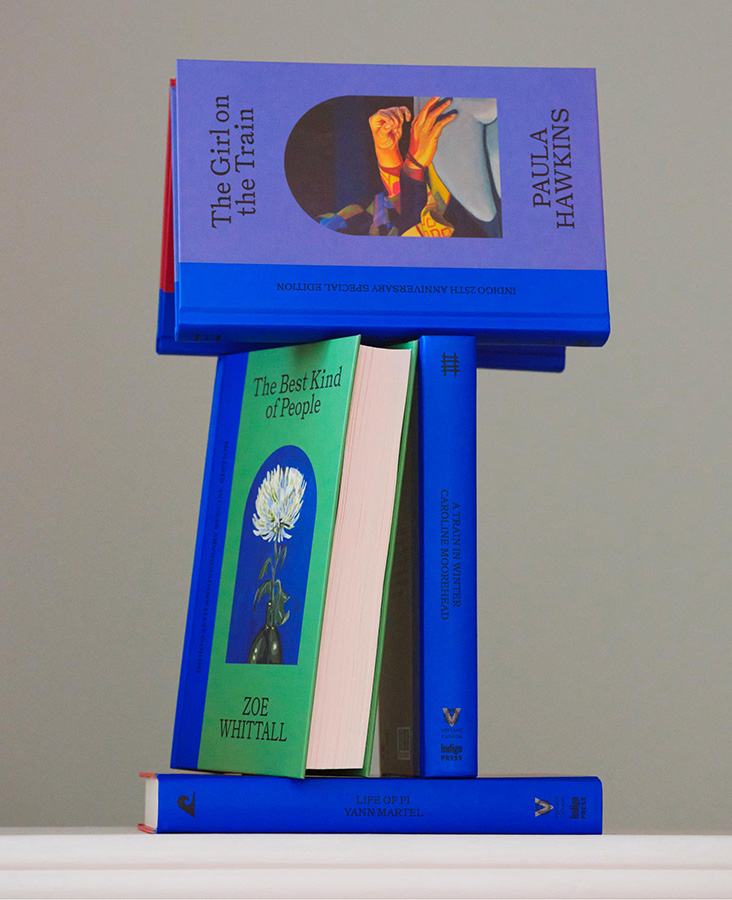
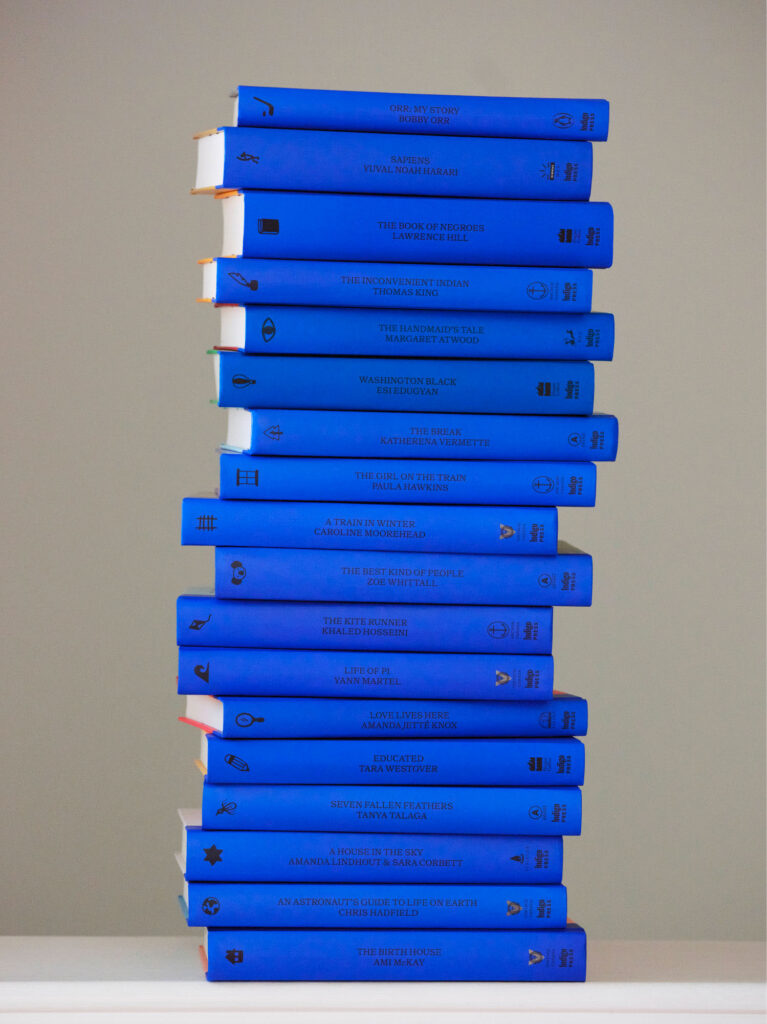
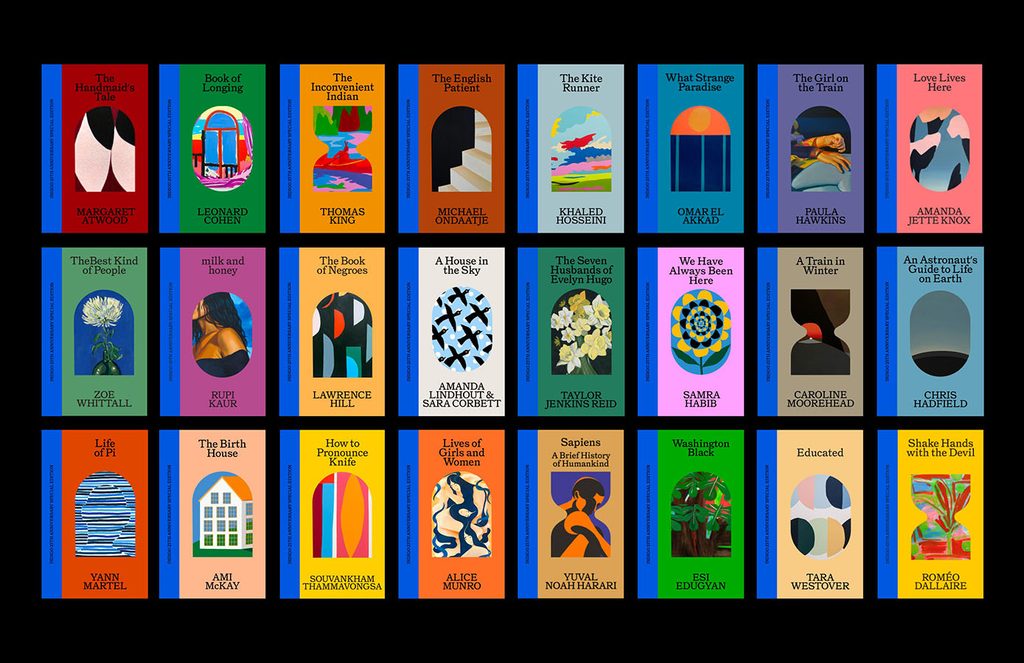
To celebrate its 25th anniversary, Canadian retailer Indigo commissioned design studio Wedge to create a special-edition collection of 25 bestselling and culturally significant books, working alongside HarperCollins, Penguin, and other publishers.
The goal was to make the collection feel collectible and distinctly Canadian by pairing 25 well-known authors with emerging and established Canadian fine artists.
Wedge built a strong visual system around all 25 books: each cover features artwork framed within one of three recurring “window” shapes, with the shapes corresponding to genre categories such as novel, biography, or history. Every book also shares the same Indigo-blue spine, while individual symbols and artwork give each title its own identity.
It’s a great example of how a Publisher’s Collection can take books by completely different authors, across very different subjects and genres, and make them feel like one intentional set. The books remain individually distinctive, but when lined up together, the shared blue spines, typography, framing devices, and art direction make the collection unmistakable.
Read more about this collaboration here!



Amazon Original Stories
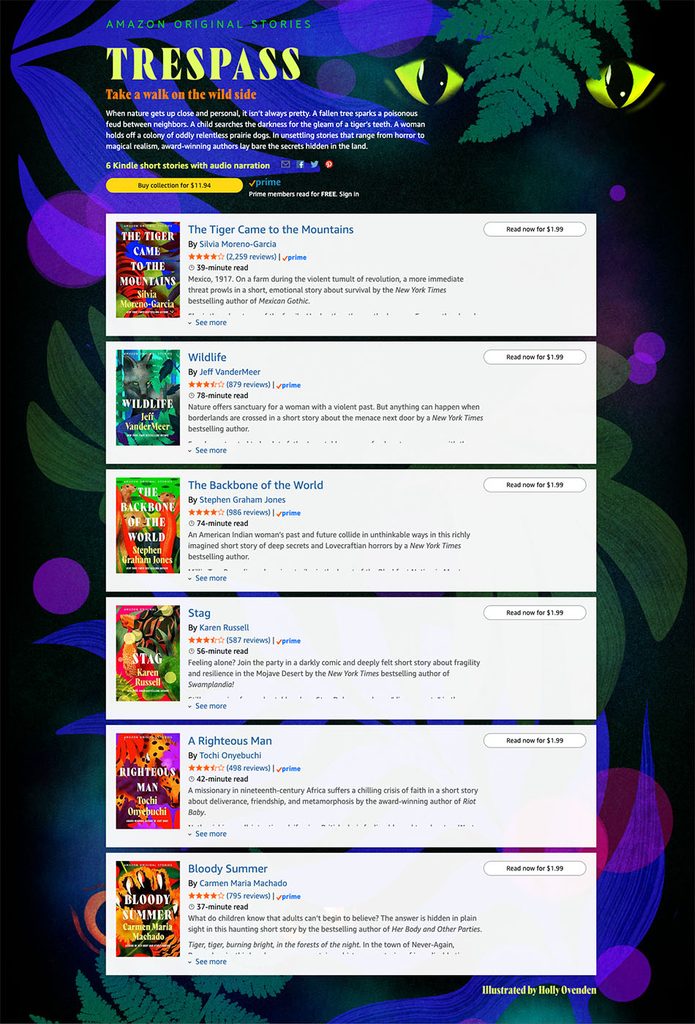
Amazon Original Stories (AOS) publishes short fiction and nonfiction, often grouping individual works into themed collections. Their approach is especially relevant to Publisher’s Collections because each collection brings together different authors and separate stories under one editorial concept, then uses a coordinated visual system to make those pieces feel like one cohesive set.
Every new collection becomes an opportunity to create a completely new series design: a fresh typographic system, illustration style, color palette, or compositional framework that can unify the individual titles while still allowing each story to stand on its own.
These collections are also a useful reminder that Publisher’s Collections do not have to be physical. Many Amazon Original Stories are experienced digitally, where the covers may be seen together in the Kindle store or library rather than lined up on a bookshelf. In this case, the series look has to work just as effectively at thumbnail size as it would in print.
Instead of being compiled into physical boxed sets, they exist grouped together online on special AOS “bookshelves,” requiring even more custom art by the cover designer. The digital bookshelf for the Tresspass series is pictured below.
The below collection was designed by Holly Ovenden and art directed by Tyler Freidenrich.


3. What Makes a Successful Publisher’s Collection?
Create a System That Can Handle Variety
The books in a Publisher’s Collection may be wildly different from one another. One might be a nineteenth-century romance. The next might be science fiction. Another might be philosophy.
The design system has to be strong enough to pull all of those books together without erasing what makes each title unique.
That usually means deciding which elements are fixed and which are allowed to change.
Maybe every book uses the same grid and typography, while the imagery changes. Maybe the format and materials stay consistent, but every title gets its own pattern. Maybe one illustrator is commissioned across the entire collection.
A successful system provides rules without making every book look identical.
Think About the Books as a Group
This is one of the rare book-design assignments where the individual cover is only half the story.
How do the books look lined up together? What happens across the spines? Do the colors work as a collection? Does Book 10 still feel related to Book 1?
The best Publisher’s Collections reward you for seeing more than one book at a time.
Ideally, each title is strong enough to stand alone, but the design becomes even more satisfying when the books are seen together.
Make the Treatment Feel Worthy of the Collection
If a publisher is asking readers to buy a new edition of a book they may already own, the design needs to give them a reason to care.
That doesn’t necessarily mean expensive materials or elaborate production. A brilliant typographic system can be just as memorable as foil and cloth.
But there should be an idea behind the collection.
Why are these books being grouped together? What makes this edition different? What will make someone want to pick one up, collect several, or devote an entire shelf to them?
A great Publisher’s Collection doesn’t simply make the books match. It gives the collection a reason to exist.
4. What Can Self-Publishing Authors Learn From Publisher’s Collections?
Self publishers probably aren’t going to commission an exhaustive Publisher’s Collection for their own books. By definition, this category is largely driven by publishers, imprints, and editorial teams.
But there is still plenty for a self-publishing author to learn from them.
Think in systems, not duplicates. Cohesion does not mean making the exact same cover over and over again. Decide what needs to stay consistent and what can change.
Consider the books together. If you know you’ll eventually have several titles, ask to see how the covers and spines look side by side.
Give the system a reason. Don’t add matching borders, fonts, or colors simply because you want the books to coordinate. The strongest visual systems grow out of an actual idea.
And perhaps most importantly, look at Publisher’s Collections for inspiration! Publishers have been solving this exact design problem for generations: How do you make a group of very different books feel like they belong together?
There’s a lot to learn from the ones that get it right.
Where To Next?