If you’re new here, this article is part of an informational article series on Book Series Design. If you missed our introductory article, click here for a recap and to understand the different types of series designs.
If you’ve written a Narrative Series and want to know how to approach the cover design process for your multi-book universe, keep reading!
If you’re specifically looking for ways to communicate your needs to your cover designer, jump down to section 5 below!
1. What Is a Narrative Series?
When you hear the term “book series,” a Narrative Series is probably what comes to mind!
Definition: A narrative series consists of multiple books by the same author, connected by a continuing storyline. Narrative book series typically include recurring characters within a shared fictional world.
Why Narrative Series Are Great: If you can hook your readers with Book 1, you’ve got a dedicated readership eager to complete the series. They want to find out what happens next, spend more time with characters they’ve grown attached to, and return to a world they already know.
For The Book Cover Designer: Each installment needs its own cover, yes, but the books should share a visual identity that tells readers two things right away: these books belong to the same world, AND this is the kind of world you’re about to enter. Is it magical, dystopian, contemporary, historical, romantic, dangerous, or whimsical? Are we following teenagers in a modern-day high school, a family on the prairie, or monsters in another realm? A strong narrative series design creates continuity across the books while also setting clear expectations for the world within the pages.
2. Examples of Narrative Series
Some of the most recognizable book covers belong to narrative series. Here are a few familiar examples…
The Harry Potter series by J.K. Rowling
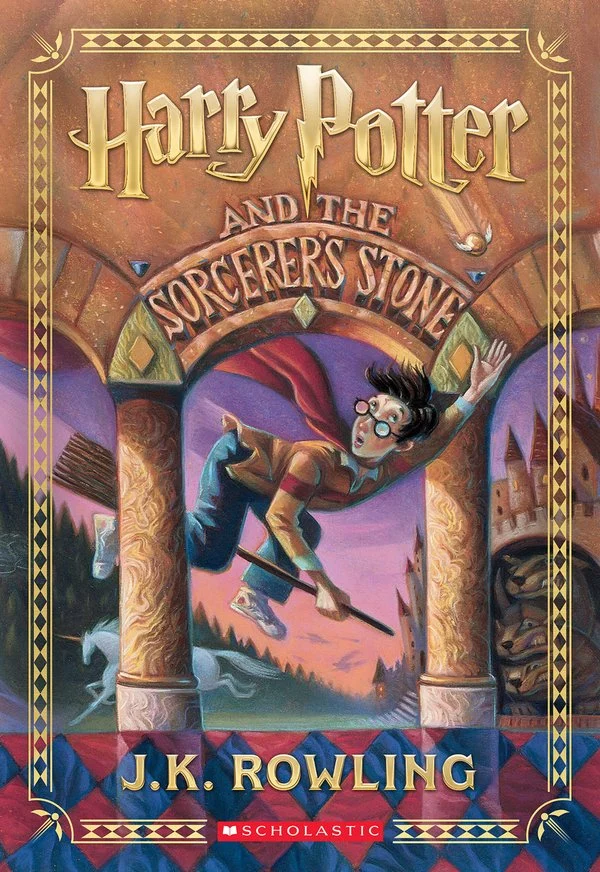
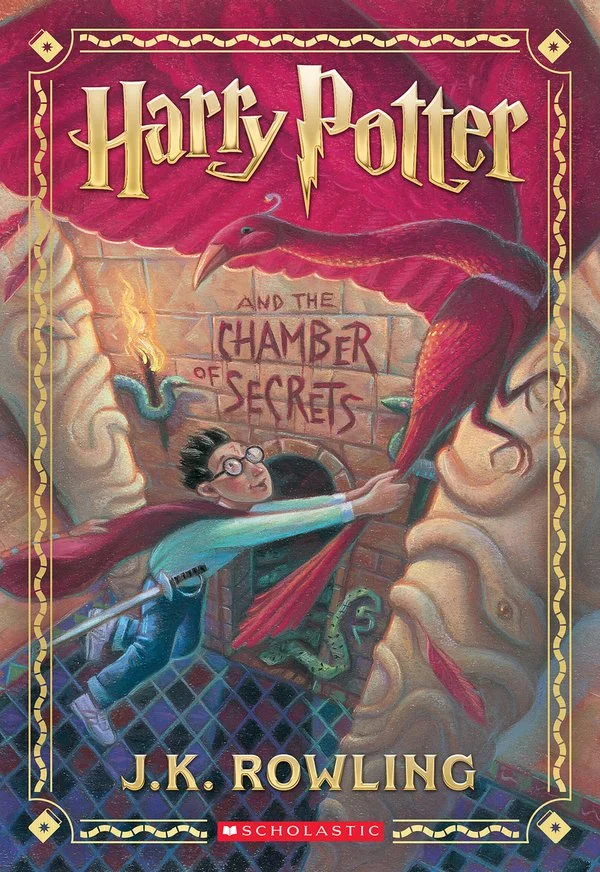
Below: The original US edition, published by Scholastic over the course of a decade (1997 to 2007), featuring jacket illustrations by Mary GrandPré. She is also credited with creating the iconic Harry Potter lightning bolt lettering which was carried over to the movie franchise as well. GrandPré was hired by the Scholastic Art Director David Saylor. Legend has it, GrandPré initially declined the assignment due to her packed schedule, but Saylor eventually convinced her to take Harry on. GrandPré says, “By the time I was working on Book 3, we knew we were dealing with something very special.” GrandPré illustrated all seven of the American editions. Six are displayed below.
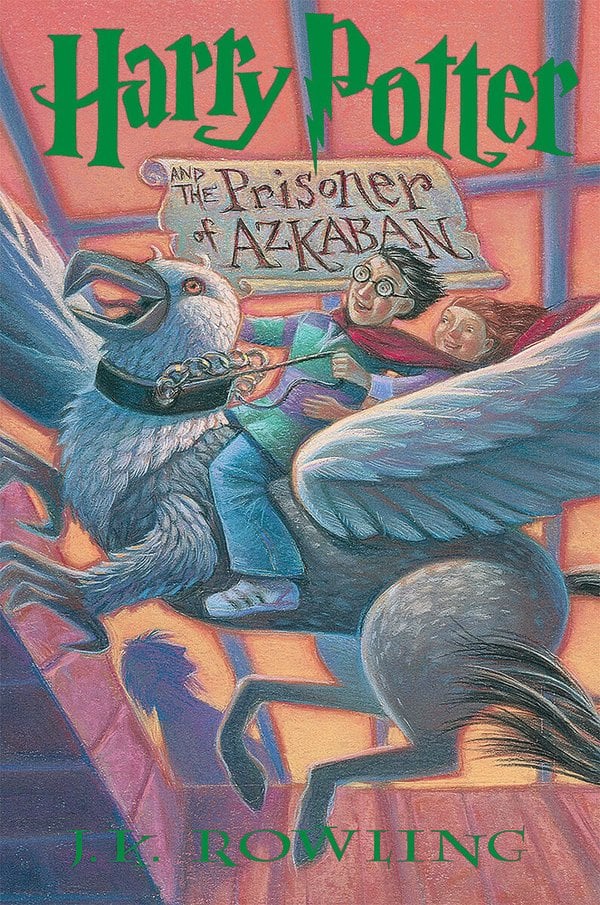


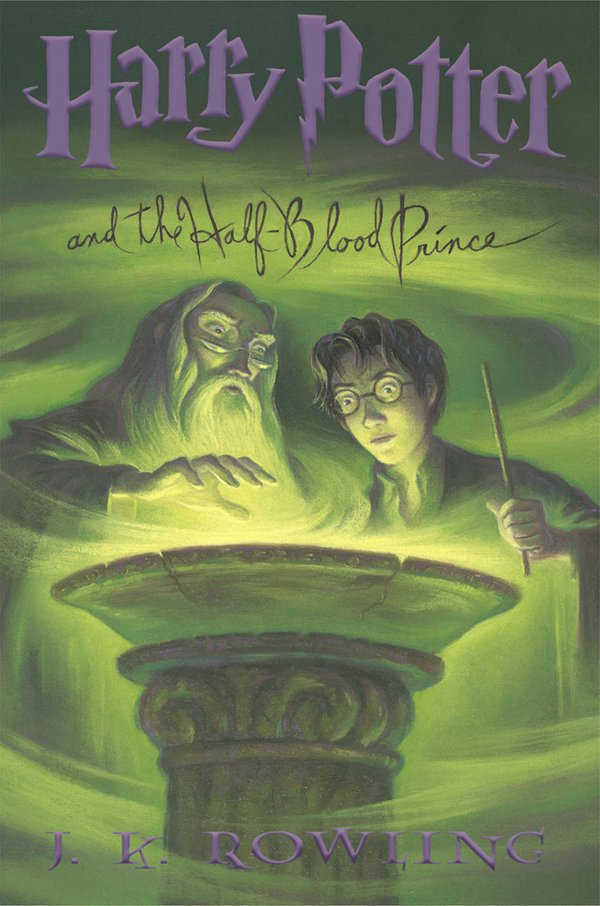
Below: A 2023 special edition from Scholastic featuring illustrations by Studio MinaLima. MinaLima is a duo who, in 2001, were hired to create the graphic universe of the Harry Potter film series for Warner Bros. films. They crafted the entire graphic style of all the Harry Potter movies. Then, in 2009 they formed their own design studio with the objective of creating distinctive and unconventional design and illustration for the entertainment and publishing industries.
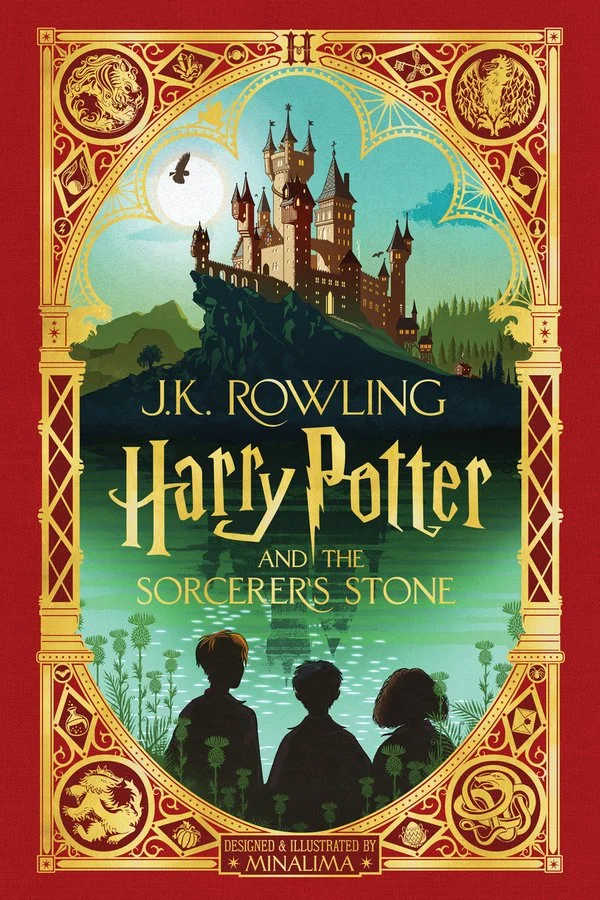

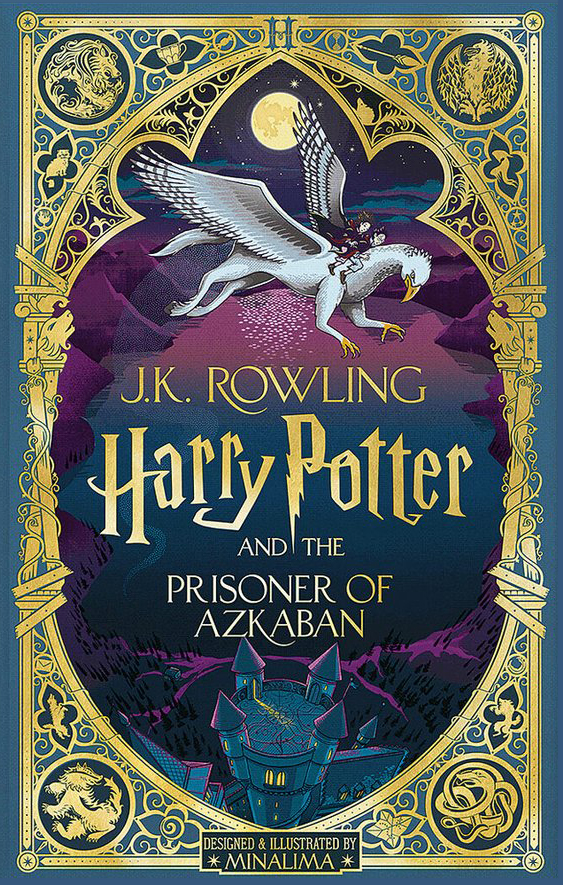
For anyone who is REALLY into Harry Potter book jackets, check out this book by the American HP editor, Laurent Garcia: The Many Faces of Harry Potter: A history of the Harry Potter book covers. This book chronicles the fascinating journey of more than one hundred artists who, in one way or another, have shaped the face of Harry Potter across the globe.
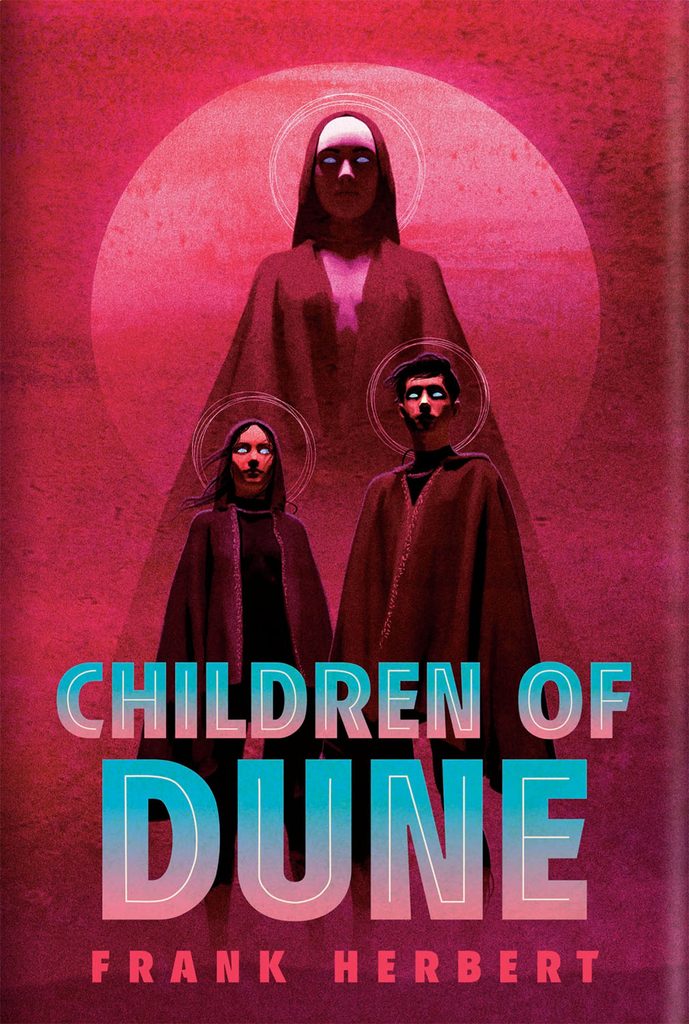
The Dune series by Frank Herbert
Below: The 2019 edition published by Ace with design and illustrations by award-winning cover artist Jim Tierney. This edition was Art Directed by Adam Auerbach.


Below: The 2023 deluxe boxed set, also from Ace. This edition includes a slipcase with original art and exquisitely designed hardcover editions of each novel. Cover designs by Adam Auerbach with custom illustrations by Matt Griffin.


Solvej Balle’s On The Calculation of Volume septology
US Edition from New Directions. Solvej Balle’s seven-volume novel (translated from Danish) “wrings enthralling and magical new dimensions from time and its hapless, mortal subjects.”
The American series design was created by Matt Dorfman for New Directions. According to Matt: “…their frequency is more on the order of a BS free hypnotist writing a koan. Sure they’re blobby nebulas, but they’re blobby nebulas with intent; Trust the process.”





UK Edition from Faber & Faber. Below is the UK series, designed by Henry Petrides.





3. What Makes a Successful Narrative Series Design?
There are a few things that are true of any successful series design. To recap, here’s what we always want to see in any series:
- The books look like they belong together when they’re lined up.
- Each cover is also a successful design when viewed on its own.
- There is a shared & consistent visual language present, whether through typography, illustration style, layout, color treatment, or a recurring visual motif.
- The designer has established a cohesive look without creating the same cover over and over again.
But what specifically makes a Narrative Series design successful? The following considerations are especially important.
Plan for the Entire Series from the Start
When designing Book 1, your designer should know that more books are coming.
A cover that works beautifully as a standalone may not have enough flexibility to become a series. Maybe the title fits perfectly into one very specific illustration. Maybe the current composition only works with a short title. Maybe the artwork is so elaborate that repeating the approach across five books will blow the budget!
Before locking in the first cover, ask yourself and your designer: Can this idea grow with the series?
That does NOT mean every book needs to be written or every title finalized. It simply means your designer needs to understand the bigger picture so they can build a visual system that still works later on when when Book 2, Book 3, and Book 4 arrive.
Clearly Indicate the Reading Order
If your books need to be read in order, don’t make readers work to figure out which one comes next. Whether you add an indicator on the spine or the front cover, make sure it’s there.
Build the book number into the cover system from the beginning. It might appear as Book One, Book 1, Book I, or in a line such as The Copenhagen Trilogy: Book 1 (see below). The exact wording matters less than making it clear and consistent across every installment.
And don’t treat the series information as something to squeeze in at the end. Your designer needs to account for the book title, author name, series title, and book number when establishing the cover hierarchy.
If the reading order matters, make sure the cover tells us what it is.
*Some books put the Book No. on the spine (this is true for the Harry Potter series and most Dune editions).
Keep the Author Name Consistent
Whether each book relies heavily on a different color or features a different character, have fun making the differences between each installment abundantly clear.
That being said, the AUTHOR NAME should generally appear in the same place on every book.
When you line up the three Tove Ditlevsen books (below), does her name bounce around? No. You could you draw one straight line from one name to the next. They’re lined up perfectly, of course.
That consistency matters. Book titles may vary dramatically in length, and the designer will need to adjust the template as needed, but the author name stays the same. That consistency should be reflected across every installment.


4. What’s the Process Like?
Sometimes a certain cover designer can take on the entire design challenge, and sometimes an illustrator can handle the entire project. Other times, a designer and illustrator need to work together.
First, decide whether you want an illustrated approach. If you do, remember that not all illustrators are designers, and not all designers create custom illustrations.
If you need to hire a designer and you’ve already chosen an illustrator, the two will need to work together to create the final product. That also means paying two people instead of one, so make sure your budget accounts for that approach.
You’ll also want to discuss whether the same designer will be available to create the covers for future installments and what that process will look like. Establishing a consistent approach early on can help you avoid having to start the process over when the second book is ready.
Examples of a Designer-Only Series Look:
The trilogy below was designed by Will Staehle and Art Directed by John Vairo for Saga Press (S&S). This is an example of a cover designer who can take on the “illustration” and artwork side of things. No additional illustrator was needed for this attractive Chloe Gong series look.
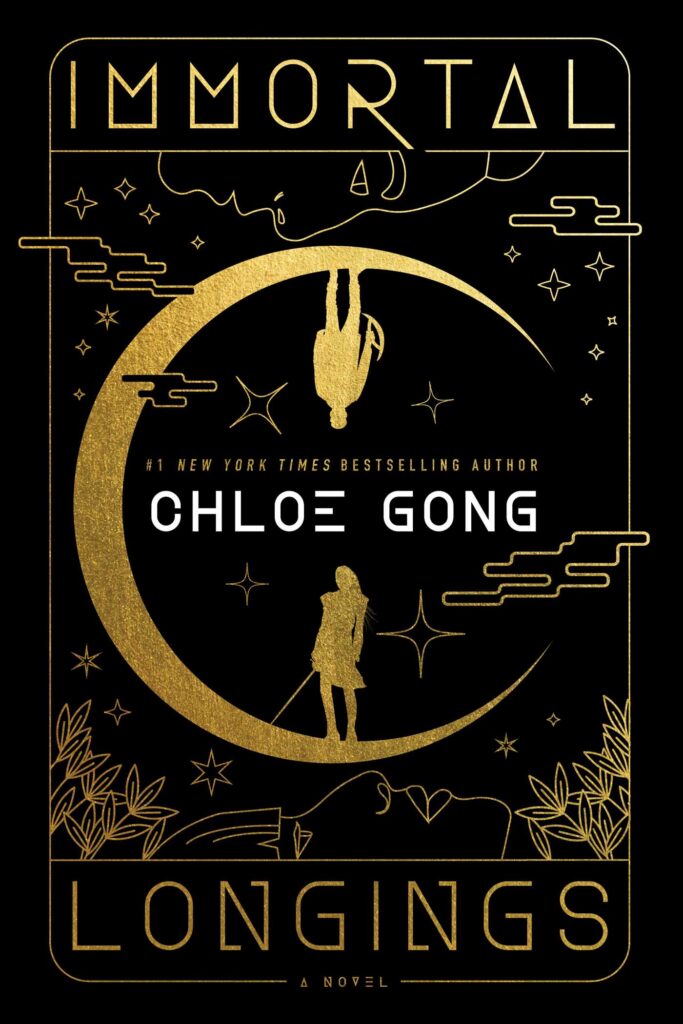

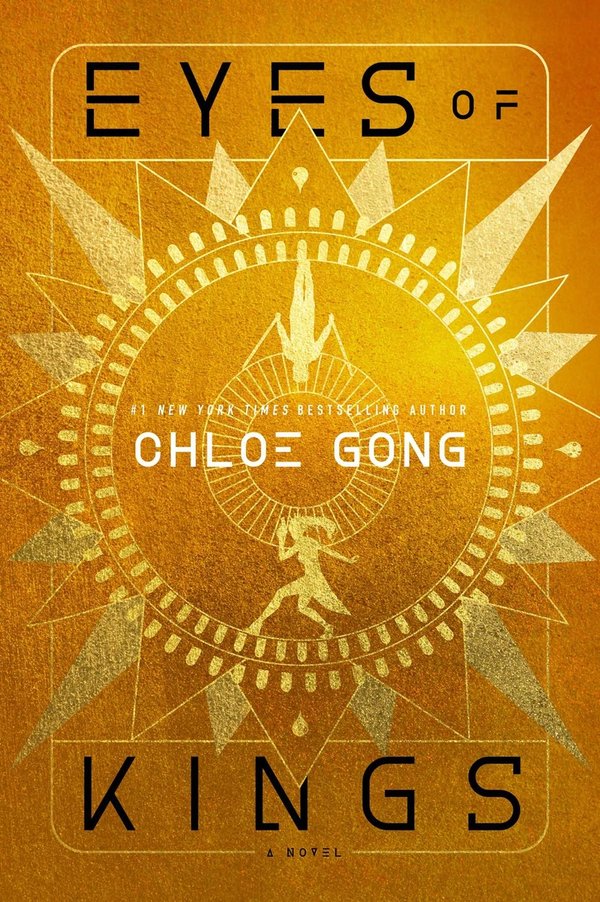
Another Designer-Only Series Look: Beth Revis’ trilogy was designed and illustrated by Adam Auerbach.


Example of a Designer + Illustrator Collaboration:
This suspenseful YA duology from award-winning author Mindy McGinnis was designed and art directed by Erin Fitzsimmons and features custom artwork by Corey Brickley.


5. How Do I Communicate My Needs on The Creative Brief?
Below are some instructions you can copy and paste into your own Creative Brief. Get ready to start speaking our language!
Examples of Requests:
“I need a narrative series design for a four-part fantasy series. I already have an illustrator on board for the artwork, but I’m looking for a designer who can integrate their finished art into a stunning jacket design. Beginning with Book 1, I expect you to show me multiple options that balance your typography with the illustrator’s artwork. Typography includes the title, book # and series name, and author name. After Book 1 is completed, I need to know that you’ll be available for the other three books when the time comes.”
“I need an illustrator who specializes in character design for my Romantasy trilogy. I already have the design template locked in for my narrative book series, but the template has space for an illustration. That’s where you come in! Books 2 and 3 will be available next year, and I need to know that my illustrator is on board to work with me on those.”
“I’m looking for a cover designer for my six-part sci-fi book series. I need them to design the cover look for the series and act as my art director, working with and serving as the main point of contact for the illustrator we’ll hire together. I don’t have an illustrator in mind yet and will need help finding the right person. I’d like the designer and illustrator to work in tandem, but I’m looking to my cover designer to take the lead on communication, since this is all outside of my comfort zone. If you have experience working closely with illustrators, please apply!”


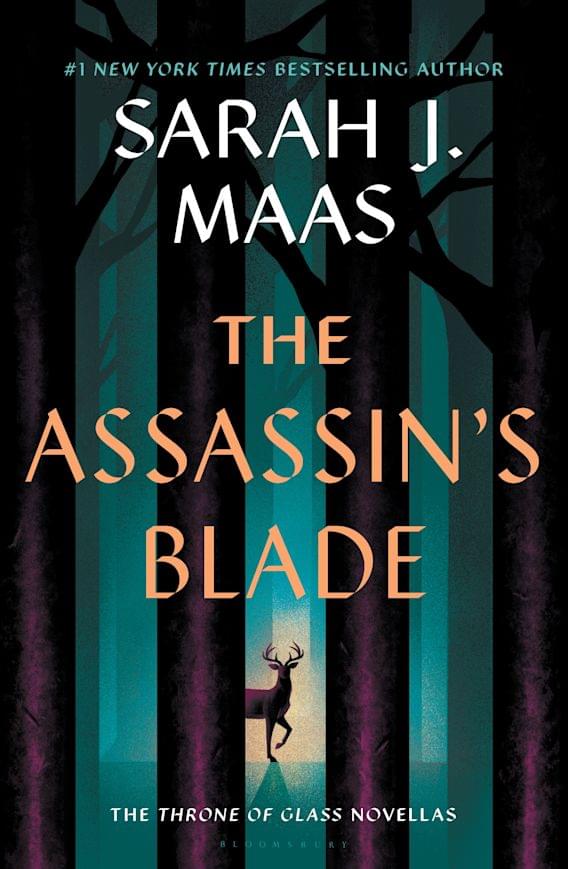

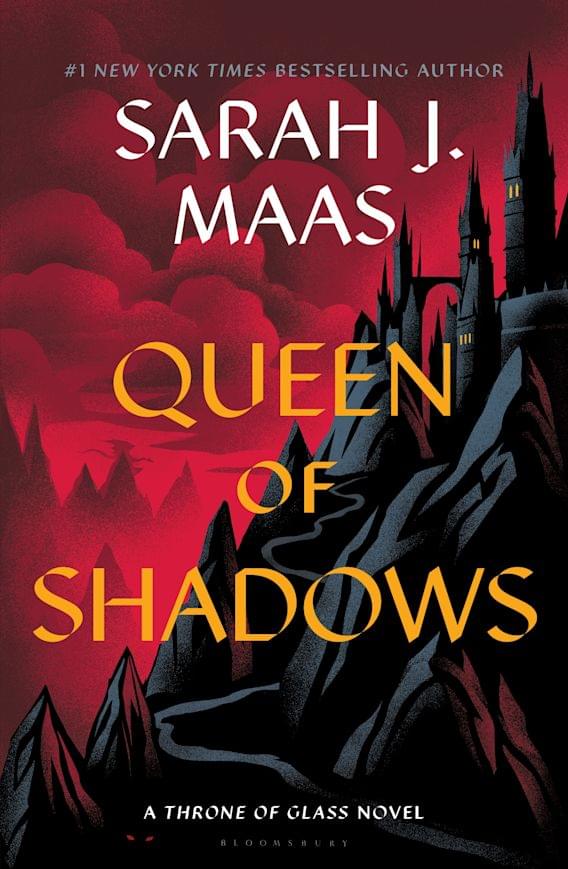
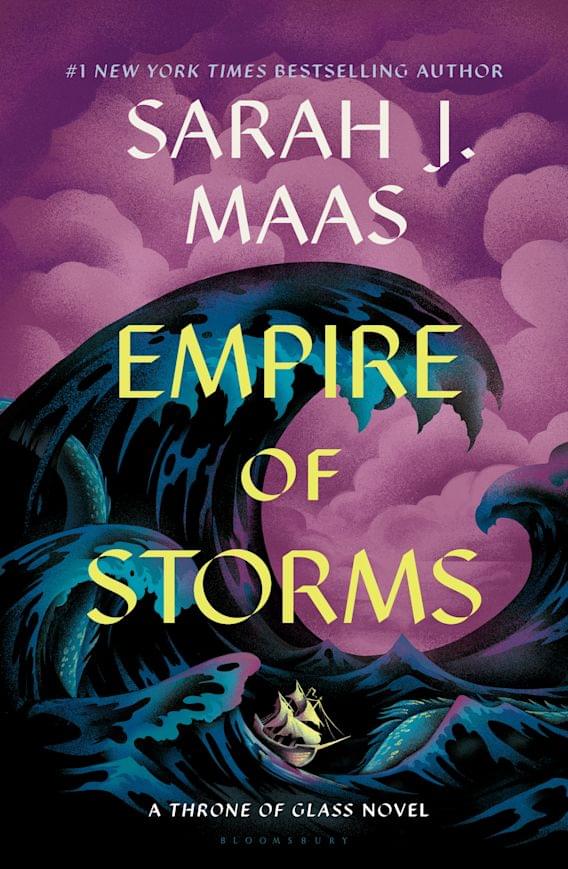

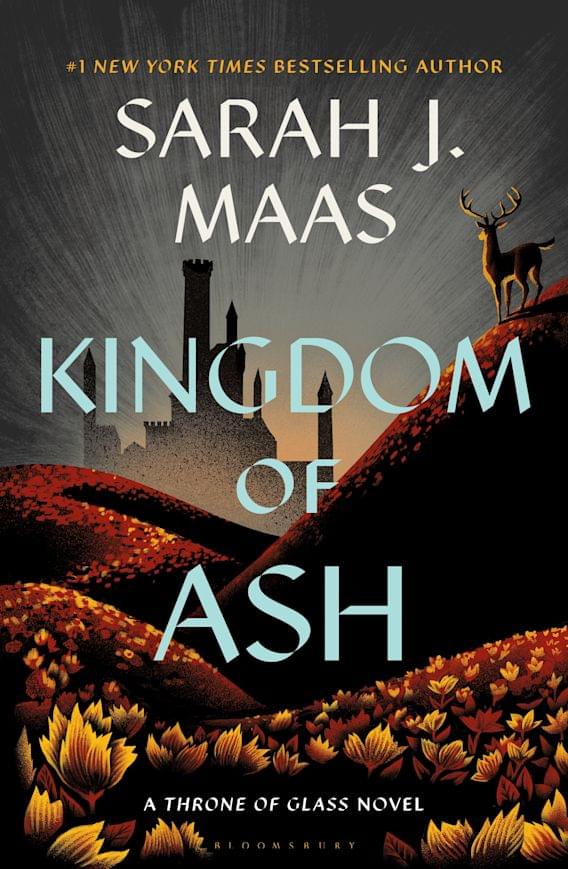
The Sarah J. Maas Throne of Glass series design was designed and illustrated by Jim Tierney for Bloomsbury.
One Epic Story. Multiple Covers. Endless Possibilities!
The strongest series designs find the perfect balance between continutiy and individuality.
Each book has its own personality, but when you see the covers together, there’s no mistaking that they belong to the same universe!
For an author, establishing that visual identity from the very beginning means every new installment has an opportunity to build on what came before it.
For designers, we have the amazing opportunity to express a unique world on MORE than one book jacket.
We hope this article gave you insight on how to work with a professional cover designer on a narrative series design.

Where To Next?