Multiple Books. One Visual Identity.
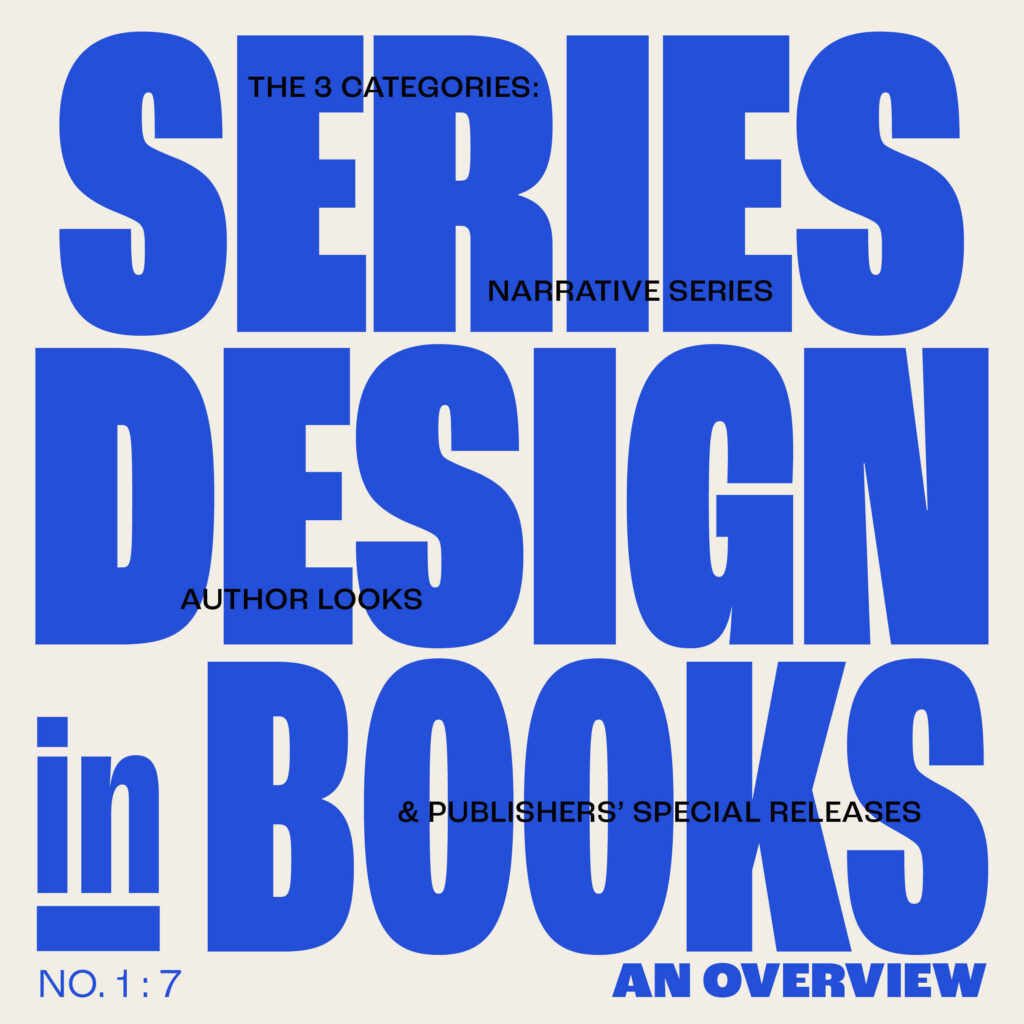
We often receive creative briefs from authors who are working on a book series and are looking for “a cohesive look that can be applied to multiple books.” In other words, they need a series look! As such we wanted to take some time to get crystal clear on the different types of book series are out there. Welcome to a series on series!!
When you hear “book series,” you probably think of a single storyline unfolding across multiple books, like Harry Potter or The Lord of the Rings. Sure! But there are all kinds of reasons to give a collection of books a cohesive visual identity, and understanding the different types of series design will help you communicate the right vision to your professional book cover designer.
We wanted to break down the different types of book series design to get everyone on the same page. Our hope is that by defining these categories, authors will have an easier time communicating exactly what they’re looking for when they approach a designer, without having to over-explain.
Plus, series design is one of the most fun assignments we book designers get! There’s something especially satisfying about creating a visual identity that can be carried across multiple books while giving each title its own personality. And when a series is particularly well executed? That’s like publishing GOLD.
Here, we’ll be highlighting those truly memorable series designs, celebrating the designers behind them, and exploring what makes them work.
So, without further ado, allow us to introduce a series of articles about… SERIES DESIGN!
We’ll kick things off by defining the three main types of book series design.
From there, we’ll dive into each category individually, sharing some of our favorite examples along the way.
The Three Types of Book Series Design
1. The Narrative Series
Definition: Books connected by a continuing story, recurring characters, or a shared fictional world. Each book is a distinct installment in a larger narrative, and its cover design reflects that connection.
Popular examples of Narrative Bestsellers:
- J.K. Rowling’s Harry Potter series
- Sarah J. Maas’ A Court of Thorns and Roses (ACOTAR)
- Rachel Reid’s Game Changer series (AKA Heated Rivalry)
- The Chronicles of Narnia by C. S. Lewis
- Tove Ditlevsen’s Copenhagen Trilogy
- Frank Herbert’s Dune series
- Karl Ove Knausgaard’s My Struggle


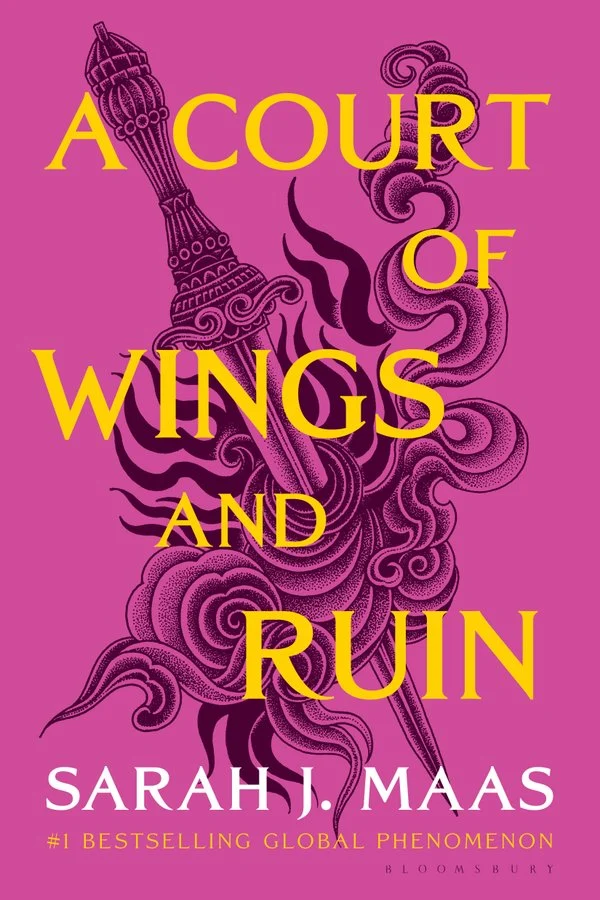
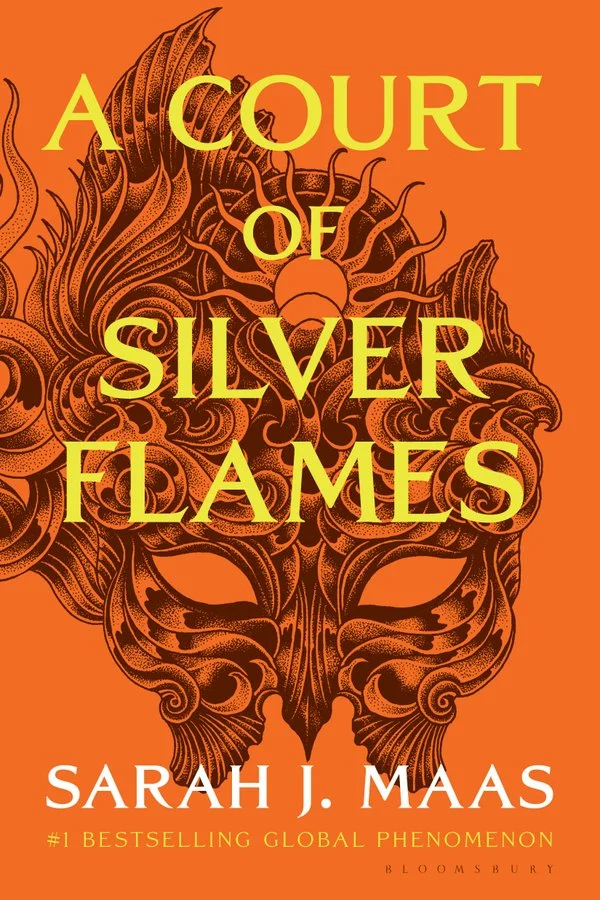
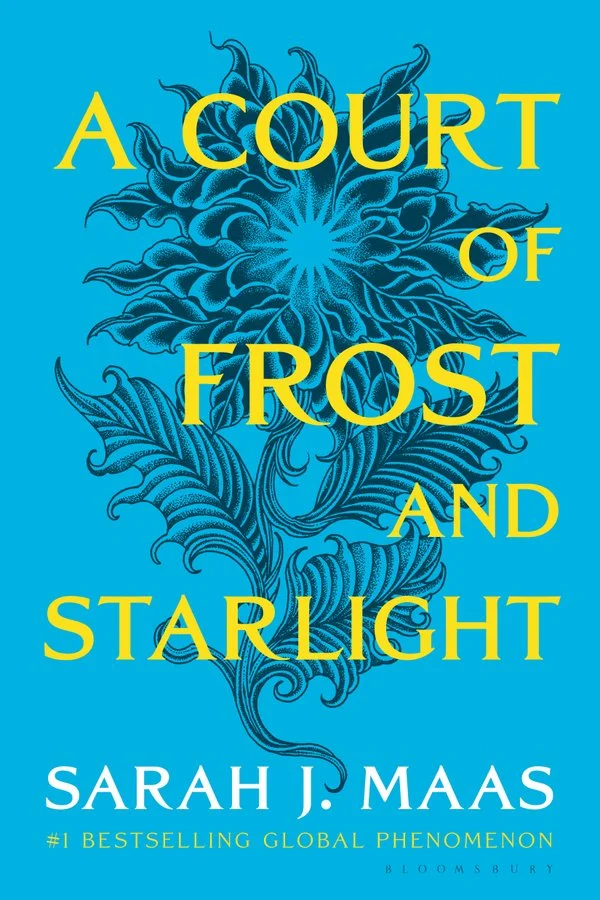
Jump To: 20 Examples of Excellent Narrative Series Designs
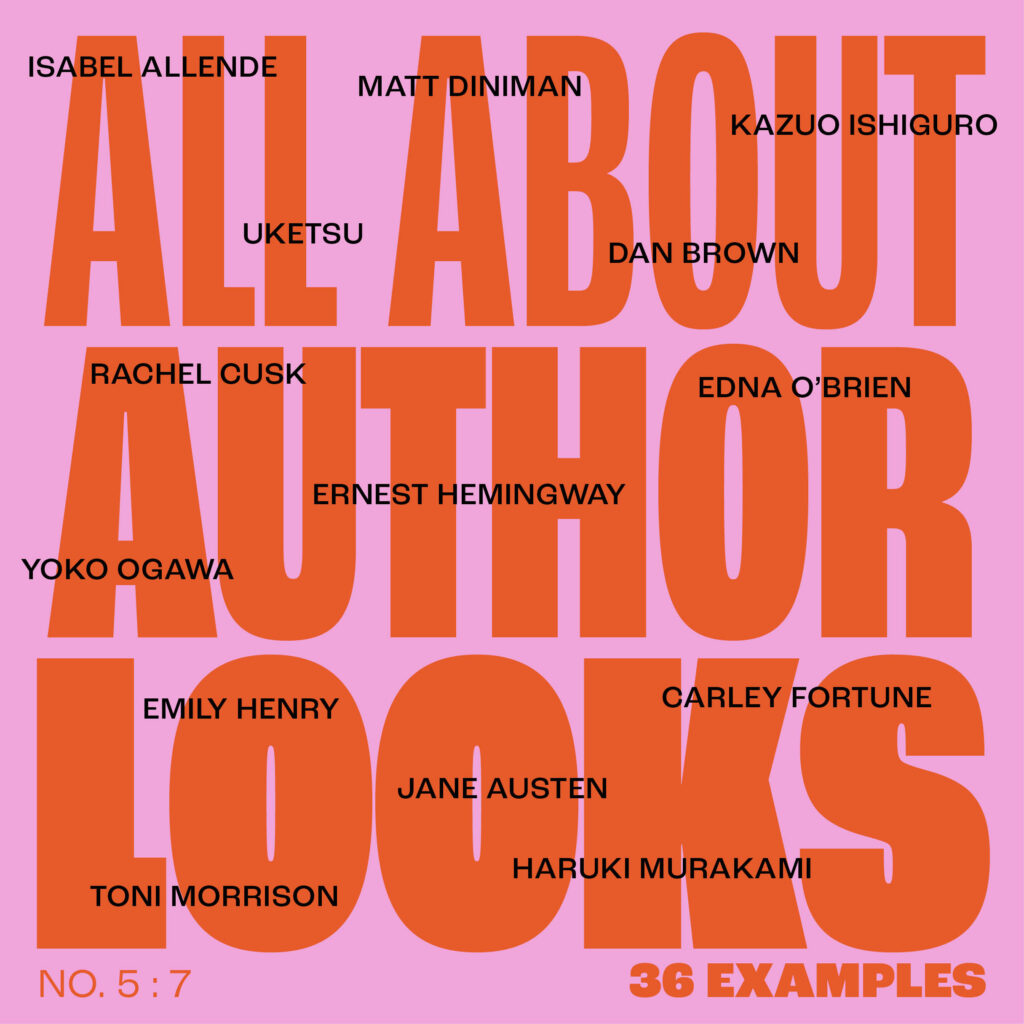
2. The Author Look
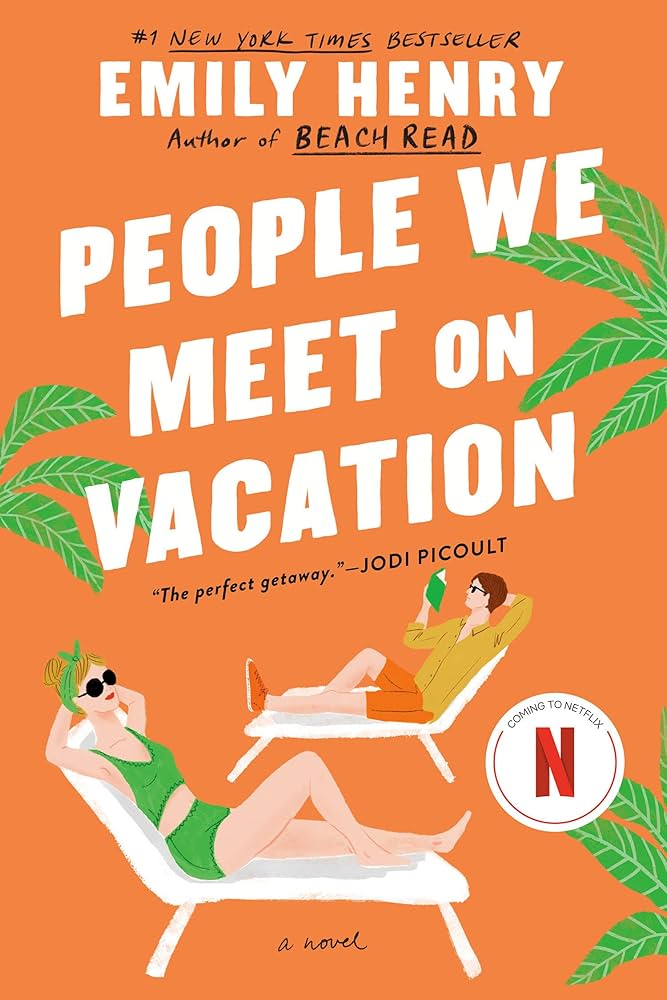
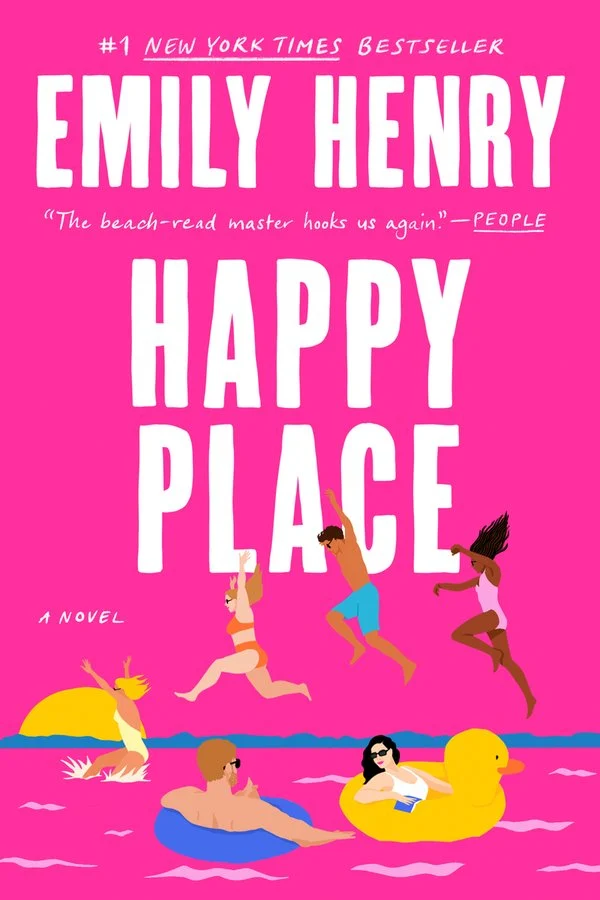
Definition: The “author look” is applied to books written by the same author but featuring entirely unrelated stories, characters, and settings. While the books themselves may have nothing in common, a shared visual identity ties them together.
By maintaining a consistent design style across the covers, publishers create a recognizable identity for the author, allowing readers to spot their books at a glance.
Writers With Memorable ‘Author Looks’
- Malcolm Gladwell
- Emily Henry
- Michael Lewis
- Michael Pollan
- Vladimir Nabokov
- William Shakespeare
- Terry McMillan
- Janet Evanovich
- Don DeLillo
- CoCo Mellors
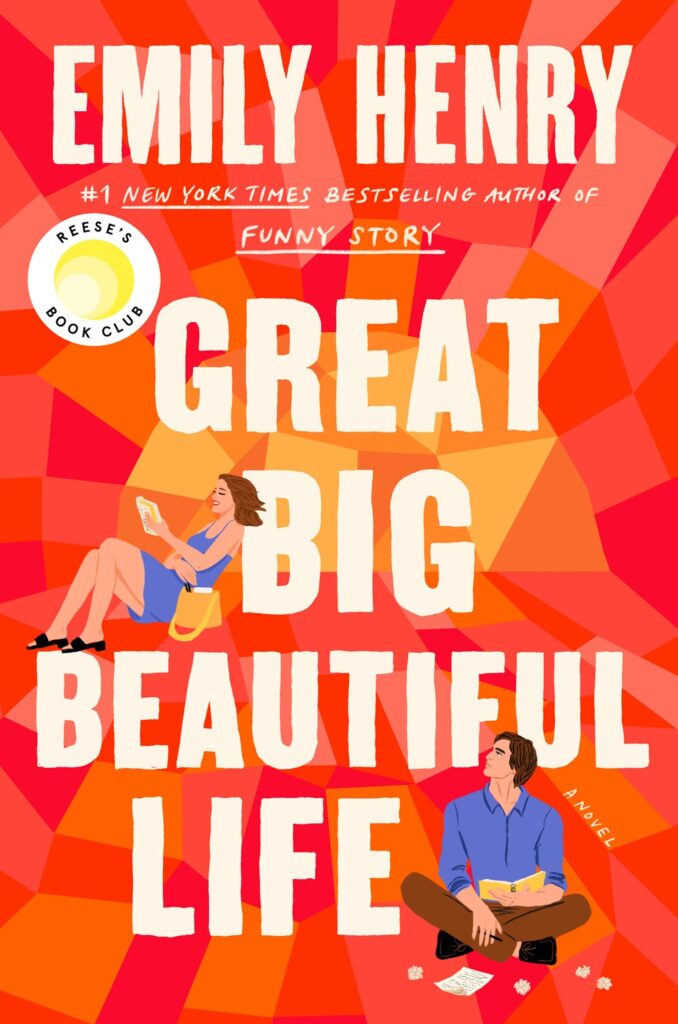
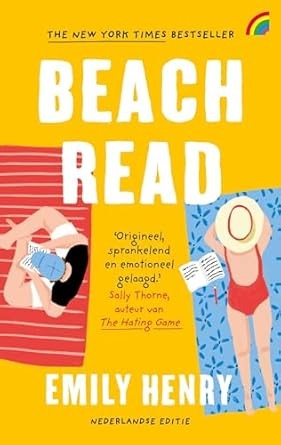

Jump To: 36 Examples of Amazing Author Looks
3. The Publisher’s Collection
Definition: A group of seemingly unrelated books brought together by a publisher or press as part of a curated collection or special edition.
The books may feature different authors, genres, and stories, but their coordinated covers establish a distinct visual identity for the collection.
A press may move to release a special collection in recognition of a certain anniversary, historical event, literary prize, or to garner new interest in the work of an old author (to reawaken their backlist).
Examples of Special Publisher Collections:
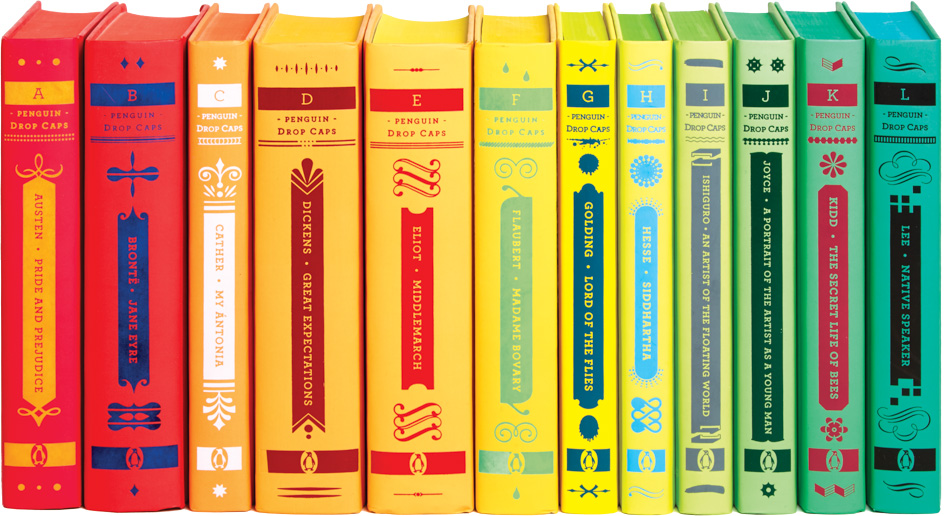
- Penguin Dropcap Series
- Penguin Great Ideas Series
- Indigo’s 25th Anniversary Series
- French Vintage Classics
- The Assouline Travel Series
- Penguin Weird Fiction
- Amazon Original Stories
- Harper Perennial Olive Editions (pictured below)
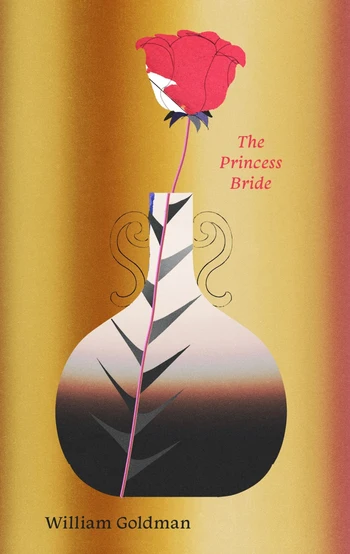

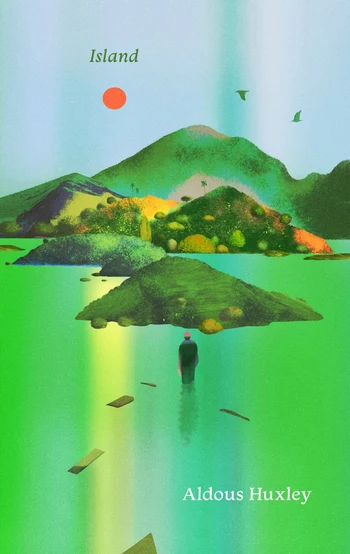
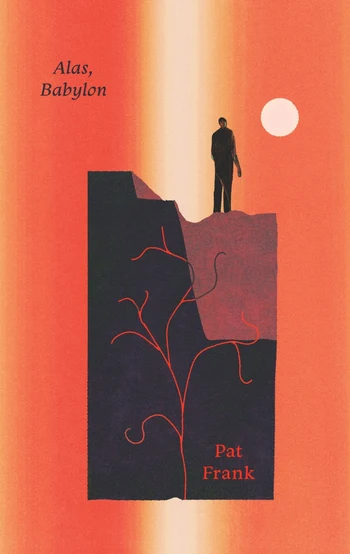
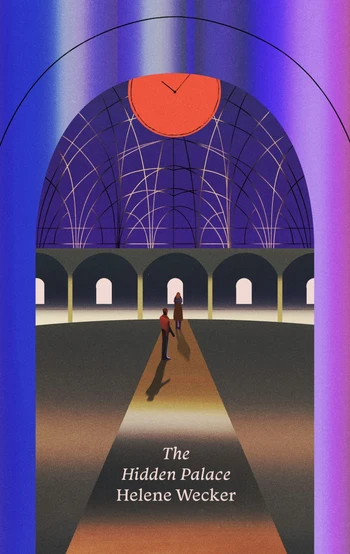
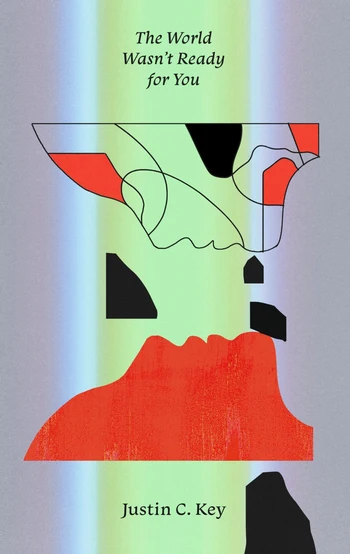
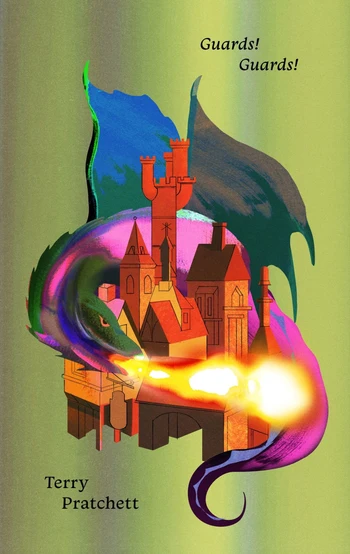

The 2026 Olive Editions, above, were illustrated by Ibrahim Rayintakath.
Jump To: 20 Examples of Super Cool Special Edition Releases
Ready for a deep dive?
Whether your books are connected by a storyline, an author, a publisher, or an editorial concept, the goal of series design remains the same: to create a cohesive look that ties your books together while giving each title its own unique identity.
If you’re a first-time author, you might want to achieve one of these devices but struggle to put that vision into words. That’s where we come in!
In the coming articles, we’ll take a closer look at each of these three categories, sharing memorable examples of series design and explaining what makes them work.
Our hope is that you’ll walk away with a better understanding of the possibilities and the vocabulary to communicate your creative vision and design needs with confidence.
Stick around. There’s so much to learn!
Where To Next?