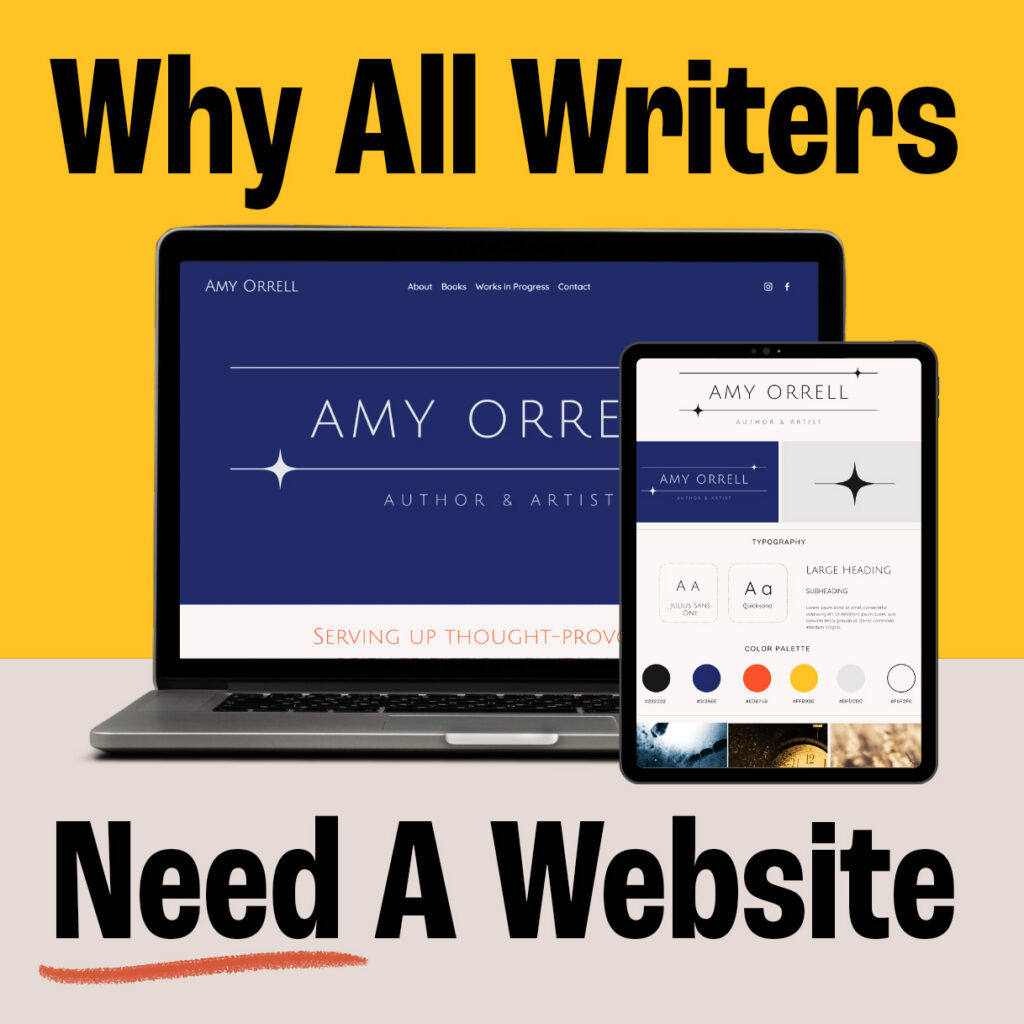

As a website designer for authors, I see a lot of writer websites that aren’t pulling their weight. Whether you’re a published author or a new member of the writing community, your author website is one of your biggest assets when it comes to connecting with readers, marketing your book, and generating interest.
I want to take you through 5 ways you can utilize your website, plus 3 important reasons why every author needs one–no matter where you are in the writing journey!
5 Ways to Utilize Your Author Website
#1 Don’t Neglect Your Author Bio
I know talking about yourself can feel icky. It’s hard to sing your own praises or know what people might be interested to read. However, your author bio is one of the best ways to connect with readers. People are more likely to invest in people than products. If your readers get a feel for who you are and what they can expect from you, they’re going to be a lot more interested in what you have to offer.
Have some fun with your bio!
- Use a clear and recent headshot. (Show your face! I know it’s scary, but honestly, it will make your website shine, help people connect with you, and give you much more opportunity to show off your personality!)
- Think of fun facts that make you feel more human (like your go-to coffee order, your favourite holiday destination, your favourite book, your other hobbies outside of writing).
- Include pet photos and make them a part of your author brand. (People love pets, so don’t be afraid to show them off!)
- Use a more conversational tone if it matches the kind of books you write or how you engage online. (Being too formal can lack personality and come across as stilted. But if you’re a bit more casual – especially as an unpublished author – then you can create more of a connection.)
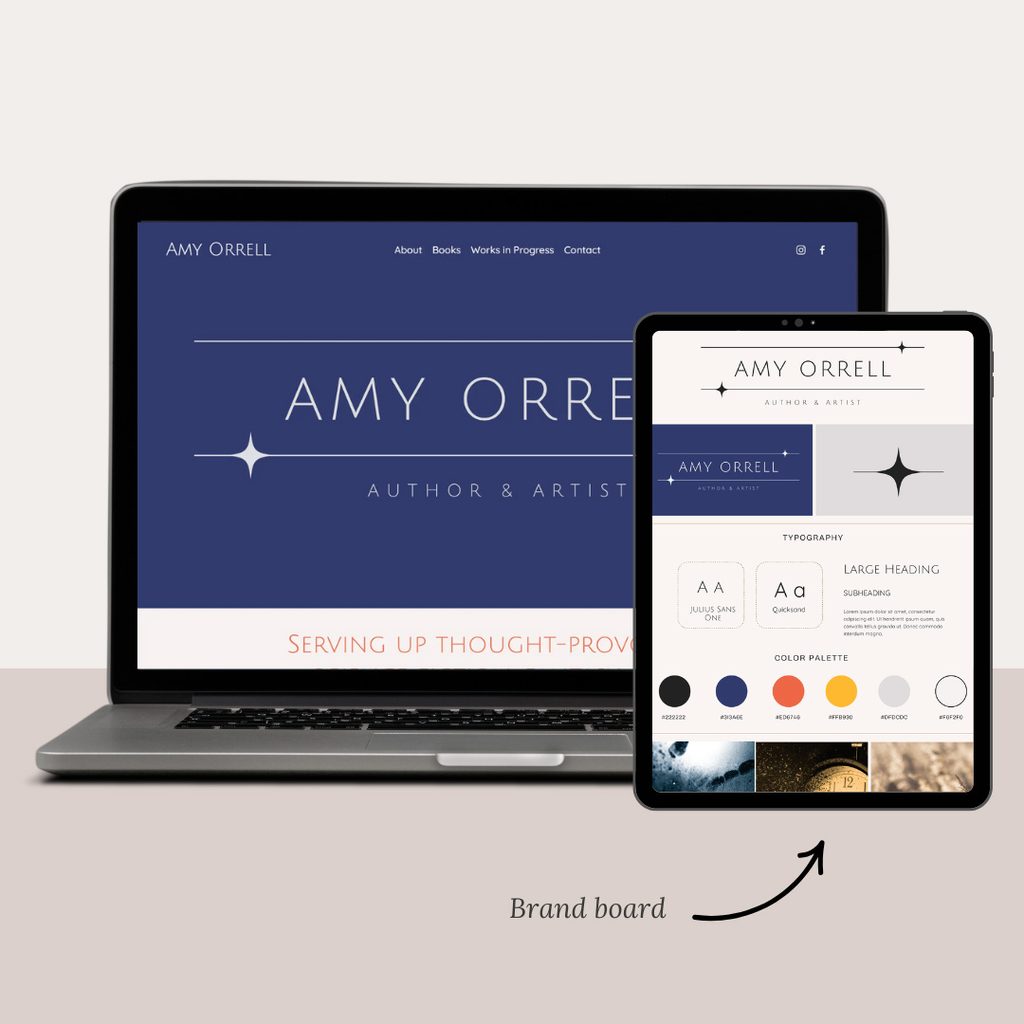

#2 Provide Some Book Details
Even if you haven’t published your book yet, there is still plenty you can share to create hype. Your website is a platform for creativity, so use it as such. Readers go to an author website to get more in-depth details, so if you’re only providing a basic blurb, then you’re not giving them something they couldn’t find anywhere else.
Here are some ideas:
- List the tropes or what readers should expect – eg: cliffhanger ending, enemies-to-lovers, dark academia vibes, witchy women, etc.
- Provide some comp titles to give readers an idea of where your book sits in the market.
- Provide a blurb or tagline.
- Talk about the inspiration for the book to help readers get to know a little more about the story origins.
- Provide a moodboard or Spotify playlist to give some of the book vibes.
- Include character artwork – maybe you’re an artist or you’ve commissioned some art.
- Include trigger warnings that readers might need to be aware of before purchasing.

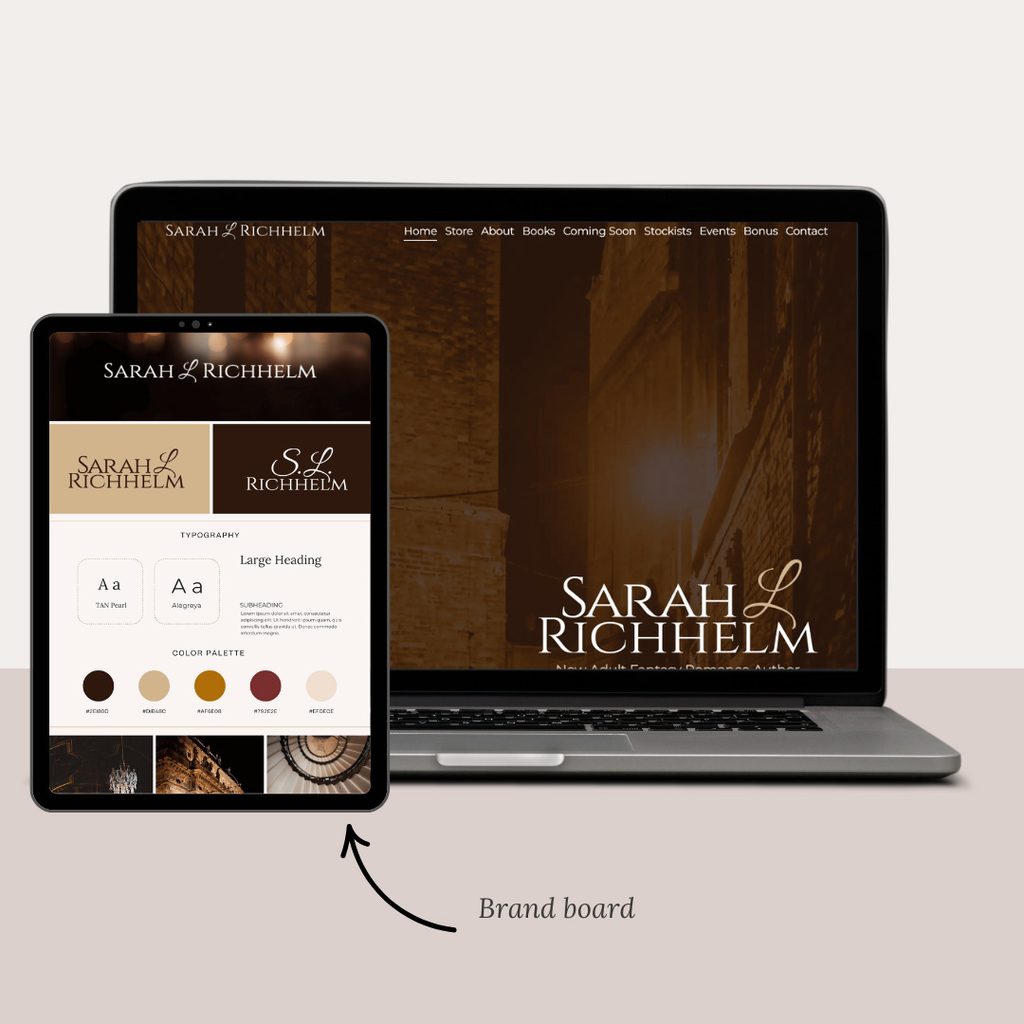
#3 Start A Blog
As a new writer, starting a blog might feel scary and overwhelming. Sometimes it’s hard to know what to say, what people want to know, or if anyone will take the time to read your posts. But even as an unpublished writer there is plenty to talk about!
- Write a post about what inspired the story or the first idea you had for it.
- Talk about your planning and plotting process.
- Talk about your experience of drafting the book and any routines or habits you created.
- Share your writing essentials or recommend writing resources you find helpful.
- Explore the creation of certain elements of your book – like the worldbuilding, for example.
A blog is also a great way to generate traffic to your website and get more viewers.
#4 Start A Newsletter
Like a blog, a newsletter can also feel intimidating if you’re building your email list from scratch. It might even feel like a lot of work – which I totally understand. However, a newsletter can be a great addition to a website to help you create a connection with your audience and offer bonuses exclusive to the list. It’s also a good way to move your audience off social media platforms if you want to be able to expand your reach. Your newsletter could be monthly, every two months, or even every quarter depending on what feels manageable for you!
Consider starting a newsletter that shares:
- Writing updates, wins, and struggles you’ve overcome.
- Your latest reads or things that have been inspiring you recently.
- Your recommended podcasts, blog posts, and writing resources.
- Your favourite methods for plotting, revising, or productivity.
- Snippets from your latest writing session.
- Character art, moodboards, or songs that remind you of your book.

#5 Set Up A Store
This is an option that’s best for published writers or writers with merchandise. Having a store on your website gives readers direct access to your books. If you’re willing to pack and ship orders, then you can have people purchase directly from you. (As a traditionally published author this may be a little harder, but it could be a good option for self-published authors.)
A website store can:
- Cut out fees from other retailers so you can make more profit.
- Allow readers to support you directly.
- Give you more control over how books are distributed. (This is especially useful if you’re running an ARC campaign, special editions, or a giveaway.)
- Encourage more sales without redirecting to other sites – it’s a one-stop shop.
- Open up opportunities for you to personalise the orders or include additional content.
A website is far more than just a landing page and author bio. Your website is your corner of the Internet – it’s an extension of you, your book, and your story world. Your website can dive deeper into your personality and your writing to share things readers may not find anywhere else, so really make the most of it.
Here’s why you want to have an attention-grabbing author website…
- Have a space online that you own. This is one of the most important reasons to have a website: it is 100% yours. You don’t want to put all your eggs in one basket with social media only to risk it crashing or getting hacked. Your website comes with far less risk, because you have complete control over it, with information you can save and back up. Plus, it expands your reach outside of the social media sphere.
- Get found on the Internet through SEO. SEO (Search Engine Optimisation) is the most important part of a website to help you get found online. SEO are the keywords and descriptions that appear in a Google search that will flag your website as a search result. So if you have a blog (which is great for SEO) or you’re using specific keywords that your potential readers are searching for, then you and your book can get found online more easily. If you limit your audience only to those who have one or two specific social media platforms, then you’re also limiting your reach and your potential sales. Far more people will have the capacity to find you on the Internet.
- Have a hub and centre for activity. Your website makes the perfect base for all your essentials. It’s like your house. It’s the one place you can direct everything and everyone back to. This makes it far easier for you because your website is a one-stop shop for everything potential readers are looking.
Having an author website can feel like a big step, but it is definitely worth the investment if you’re serious about building connections with readers, carving out your space online, and marketing your book.
If DIYing a website feels out of your comfort zone, I’ve got you covered!
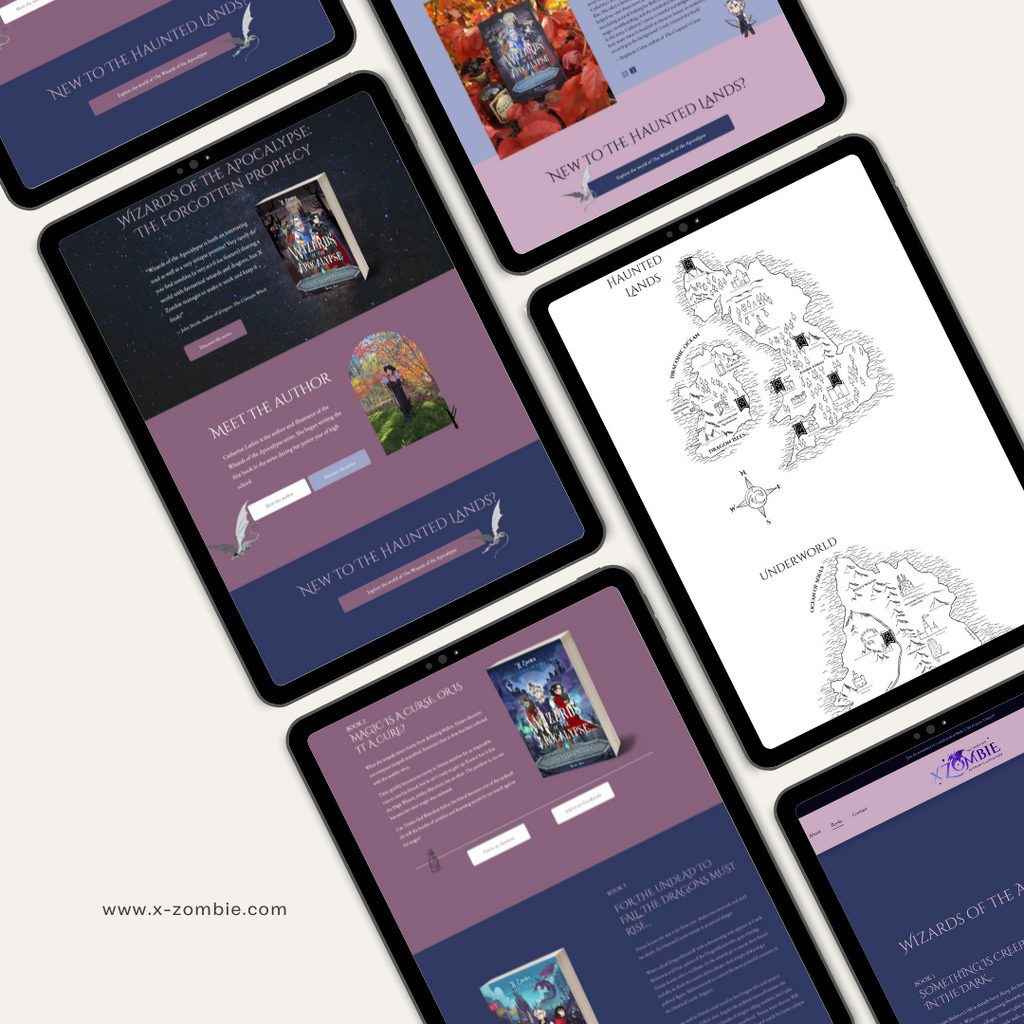
With a 2-Week Website Design, I’ll build your bespoke Squarespace author website so you can sell books, gain readers, and get seen online.
You can get in touch to learn more about the design process or visit my website.
*Design spaces for 2026 are extremely limited at this time, but let’s work together in 2027!
If you found this article helpful, be sure to check out all of the Self-Publshing articles from our archive.
Visit our For Authors page as well.
Here’s another one you might find interesting!